Interview with Rie Tanioka – GC Student Volunteer Interpreter Guide Alumni
Interview with Rie Tanioka – GC Student Volunteer Interpreter Guide Alumni
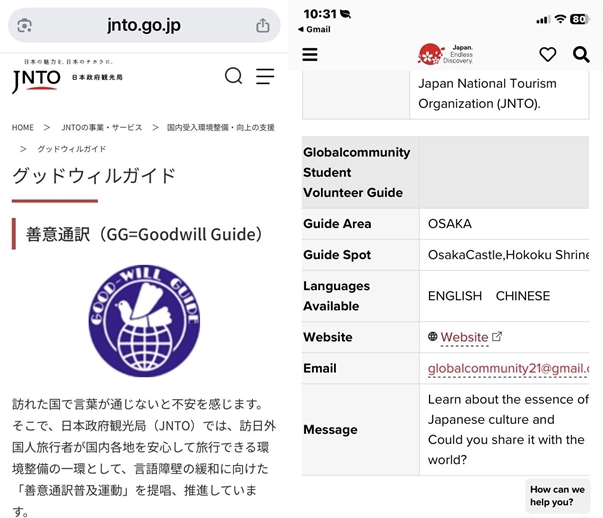
We spoke with Rie Tanioka, who helped energize and lead the interpreter‑volunteer activities at Meiji Jingu.
Q1: You joined this activity in your second year of university. What do you consider the greatest appeal of the student interpreter‑volunteer guide program?
A1: First, even without traveling abroad, you can meet people from many different countries and introduce Japanese culture, at the same time learning about a wide range of other cultures. Second, because you are explaining Japan to others, you naturally become more interested in your own country and start studying Japanese history, customs, and traditions more seriously.

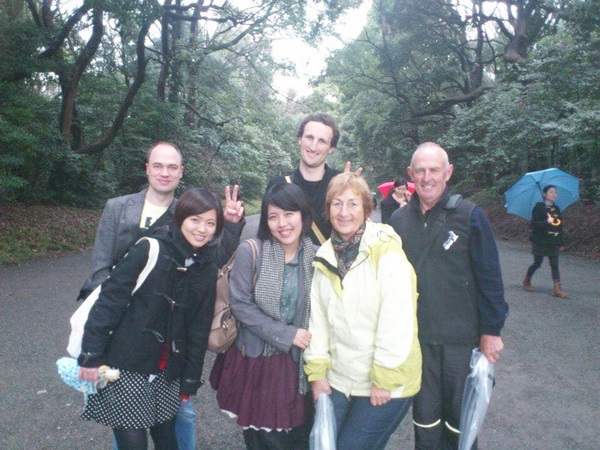
At first, it felt a bit strange to approach visitors and offer guidance in Meiji Jingu. But once we started, many foreign tourists happily accepted our help. Meiji Jingu is one of Tokyo’s most popular tourist sites and attracts visitors from all over the world. Through this program, I was able to communicate with people from many different countries.
Even now, I continue to exchange messages with people from various countries via social media. Some who became friends in Japan come back to visit, and sometimes I travel to their countries and meet them there.
Of course, English ability is important, but what is even more essential is the hospitality that motivates you to make others happy, together with a solid understanding of Japanese culture.
Shinto may at first seem difficult to understand, but once you start researching, you realize how many everyday Japanese customs and practices are influenced by Shinto. At Meiji Jingu, you also see many wedding couples, which is itself a major attraction for foreign visitors.
I often explain Japanese ideas about marriage and family life to foreign visitors, and at the same time I learn about their own views. Visitors are usually business travelers or tourists who truly want to understand Japan, so they listen attentively and are genuinely interested in our stories. When they say things like “I’ve visited Japan many times, but today I finally feel I really understand the country,” it is incredibly rewarding.
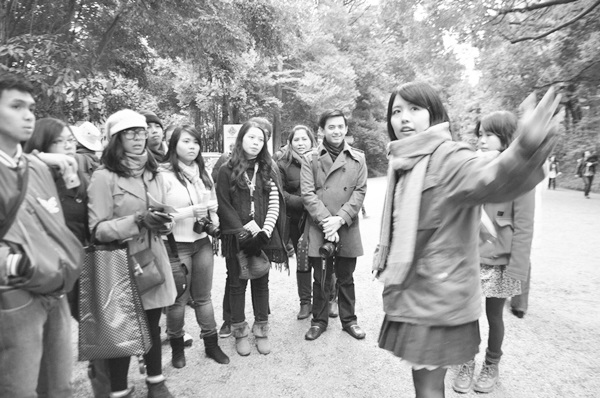
Even as a young and inexperienced university student, this program helped me improve my spoken English and acquire the kind of general knowledge that Japanese people need. Today, when I travel abroad for work, my experience of studying Japan and explaining it in my own words to foreign visitors at Meiji Jingu is extremely useful.
Being able to express Japanese culture in your own words to others overseas is very important and becomes a meaningful starting point for communication.
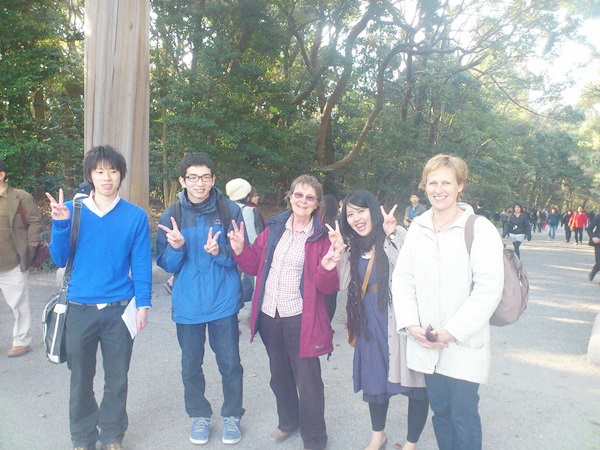
Students who want to improve their English, go abroad, and meet people from many different countries should definitely try the Student Volunteer Interpreter Guide program. It is an activity that will truly benefit you after entering the workforce. You can also make friends with students from many universities who share an interest in the world. In fact, many of my former teammates now live abroad or work in international‑related fields. There are also opportunities to meet and talk with experienced alumni (OB/OG), so please come and join us at Meiji Jingu.
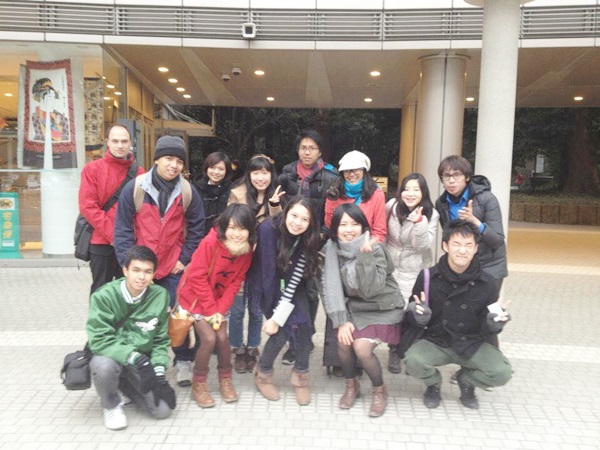
Q2: I understand you have participated in the International Red and White Singing Festival from the very first edition. From a student’s perspective, what do you find attractive about this event?
A2: At the International Red and White Singing Festival, Japanese people sing in foreign languages, and foreign participants sing in Japanese. Many people study Japanese hard for this event, and their efforts are very moving
Because we enjoy seeing the joy on their faces, we also practice songs in English, Chinese, and other languages, then perform them ourselves.
I joined the first edition as a performer, and from the second edition onward as an organizing volunteer. The first year, I was completely absorbed in performing, but in my second year, I wanted to support the other performers, so I shifted to the volunteer team.
Having experienced both sides—as a participant and as an organizer—was very meaningful. Creating a single event is difficult, but it is also deeply rewarding to see many people leave happy.
The festival is held every year, and in 2017, one edition was even held in Cebu, Philippines. The best performers from that event were invited to Tokyo to perform, which made me very happy because it showed that the festival’s message was reaching overseas as well.
If this event can help even one more foreign person become interested in Japan, I will be delighted.
Q3: I hear you have been involved in the International Red and White Singing Festival for seven consecutive years. What kind of event would you like it to become in the future?
A3: It is already a wonderful event, but I hope it becomes better known to more people. Japanese participants are still fewer than foreign ones, so I would like more Japanese people to practice a foreign language and try singing.
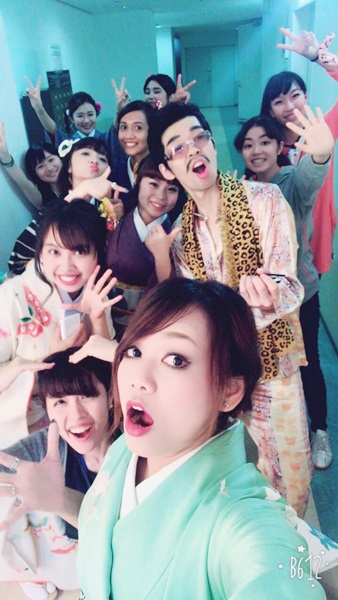
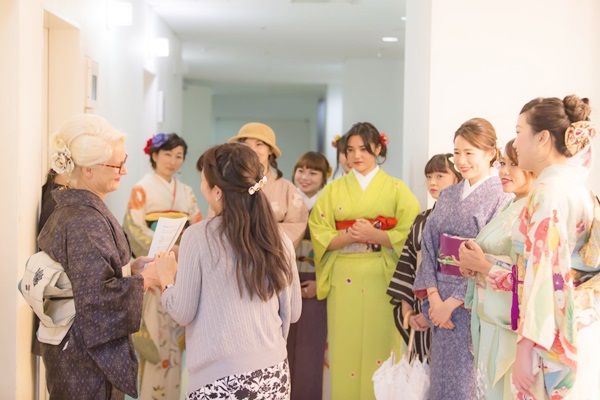
I have been in charge of the kimono fashion show since last year, and working on this show with many foreign women has become a new source of enjoyment. Many foreign women are very interested in the kimono, so I would like many more visitors to come and watch the show.
Q4: Have your experiences with the interpreter‑volunteer guide program and the International Red and White Singing Festival been helpful in your job hunting?
A4: They have been very helpful. Both activities were strong points in job interviews.
The interpreter‑volunteer guide program highlighted my initiative in approaching foreigners on my own, while the Red and White Singing Festival demonstrated my experience of working with others to create a single event.
Yet I don’t think people should join only because these activities are useful in job hunting. Through them, I learned about Japanese culture, shared the joy and difficulty of creating an event with many international participants, and grew as a person.
In my work, I travel abroad quite often, and I often talk about these two activities when introducing myself. Foreign colleagues always show great interest. Today, they have become part of my life’s work.
I would like working adults to join us as staff or volunteers for the interpreter‑guide program or the International Red and White Singing Festival. Anyone interested in these roles is welcome to join an orientation session. I would be happy to meet and talk with you in person.
Rie Tanioka is fluent not only in English but also in Chinese, having studied in China, and she continues to train to become a tea‑ceremony instructor. She also admits that she once struggled after failing her university entrance exam.
University life may seem long, but it passes quickly. If you have the strong determination to stay focused on what you believe in and follow your path, you can succeed wherever you go.
Her activities have become well-known even within her university, and she has been interviewed by the university’s admissions office.
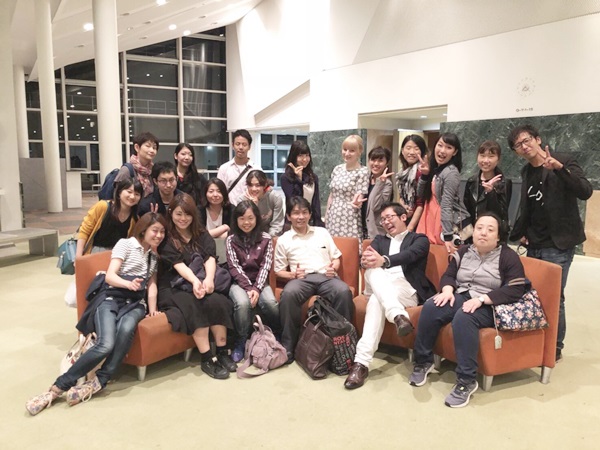
The Student Volunteer Interpreter Guide program and the International Red and White Singing Festival staff team offer great potential for personal growth. Japanese students, international students, and alumni can all meet regularly through these activities.
Please come and join our orientation session!
Contact page – Student Volunteer Interpreter Guide
https://gc-volunteer-guide.jimdosite.com/[*1]
Contact page – International Red and White Singing Festival
https://www.irws.org[*2]