"An Interview with the Mayor of Osaka City's Ikuno Ward Promoting Citizen Exchanges through 'Iwakyosei'
  • 2025/10/18 23:03
INTERNATIONAL

"An Interview with the Mayor of Osaka City's Ikuno Ward Promoting Citizen Exchanges through 'Iwakyosei'

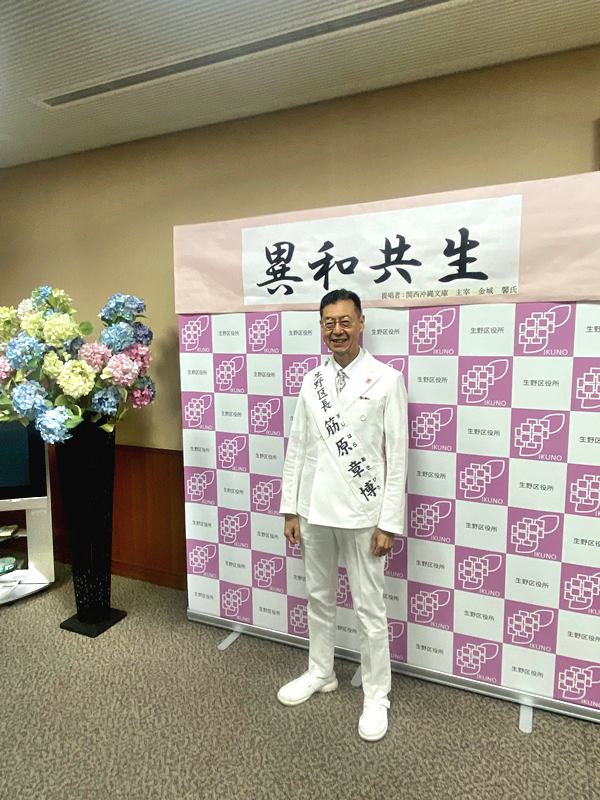
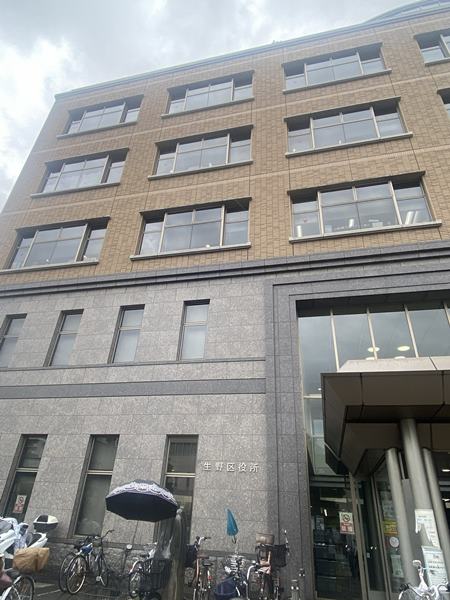
Mayor Akihiro Sujihara, born in February 1963 in Wakayama Prefecture, graduated from Osaka City University's Faculty of Commerce and joined the Osaka City government in 1985. After over 20 years of involvement mainly in port administration and serving as mayor of Taisho and Minato wards, he assumed office as the mayor of Ikuno Ward in April 2022. Ikuno Ward, known for its culturally diverse population, embraces the philosophy of "Iwakyosei", promoting community-building that respects cultural differences with cooperation. Also active as a singer, Mayor Sujihara is well-loved for his flexible thinking and warm leadership.
Q: Before becoming mayor of Ikuno Ward, you were also mayor of Taisho and Minato wards. In those roles, you reportedly promoted close citizen exchanges based on "Iwakyosei". Could you give examples?

A: In Taisho Ward, where many residents have roots in Okinawa, we leveraged this regional characteristic by fostering exchanges between Osaka and Okinawan cultures through traditional events. We revitalized the area known as "Little Okinawa" and organized industrial and cultural events, encouraging youth and local factories to participate. These efforts helped build an advanced regional model embracing cultural and value diversity to expand co-creation opportunities.

Q: What does "Iwakyosei" mean?

A: "Iwakyosei" is a concept proposed by Kaoru Kinjou, director of the Kansai Okinawa Library, and serves as the fundamental philosophy for community building in Ikuno Ward. It means "living together harmoniously while remaining different." Instead of forcibly removing walls between people, it emphasizes intentionally keeping those walls while stepping forward gradually from the gaps between them to increase mutual understanding and cooperation. On the other hand, "multicultural coexistence" often focuses on harmonizing differences and increasing commonalities to promote social integration.

Ikuno Ward is home to people from nearly 60 countries and regions, creating a multicultural community. Here, the approach is not eliminating walls for harmony but starting dialogue and exchange through gaps in those walls, emphasizing respect. Thus, "Iwakyosei" envisions living together on the premise of embracing conflicts, protecting minority cultures and backgrounds as diversity.

Specifically, residents connected to foreign countries, Japanese people, and residents participate together in community events and urban development activities. They create spaces to discuss discomfort and feelings of alienation, aiming for "a community where everyone has both a place to belong and a role to play," which is the goal of "Iwakyosei".

Q: What did Ikuno Ward do for regional revitalization around the time of the 2025 "Expo Osaka-Kansai"?
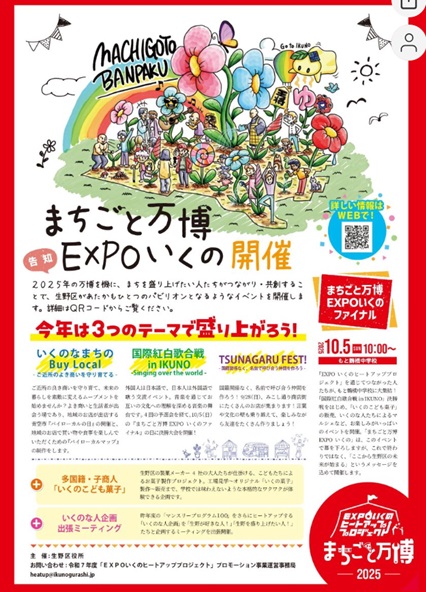
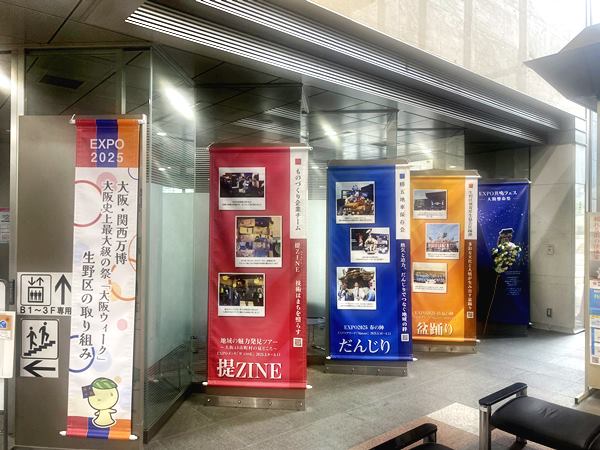
A: To coincide with the 2025 "Expo Osaka-Kansai", Ikuno Ward launched the "EXPO Ikuno Heat Up Project" grounded in the philosophy of "Iwakyosei". This project involved diverse stakeholders—residents, NPOs, businesses, shops, and creators—working together to energize the community and build sustainable urban development. The core initiative was the "Monthly Heat Up Project 100", which ran from September 15 to October 20, 2024, featuring about 100 events throughout the ward. These ranged from children’s workshops and music performances to fusions of traditional culture and new experiments, creating an inclusive environment that allowed people from diverse backgrounds to interact.

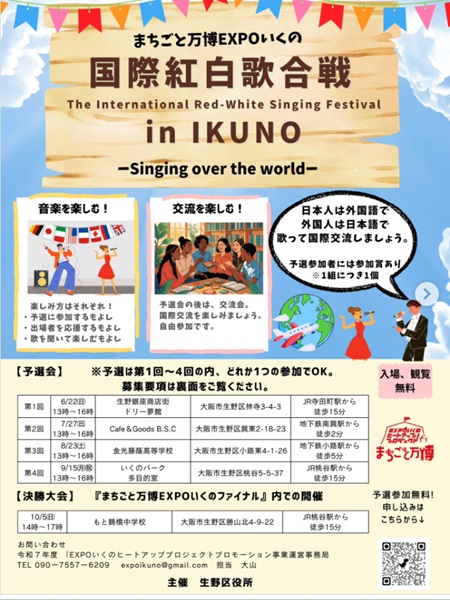
Moreover, the music event "International Red and White Singing Festival in IKUNO" was held, where multilingual participants sang in Japanese and foreign languages to foster exchange and realize the ideals of "Iwakyosei". This singing festival celebrated regional diversity and was a significant opportunity for building a community that values cultural differences while living together.
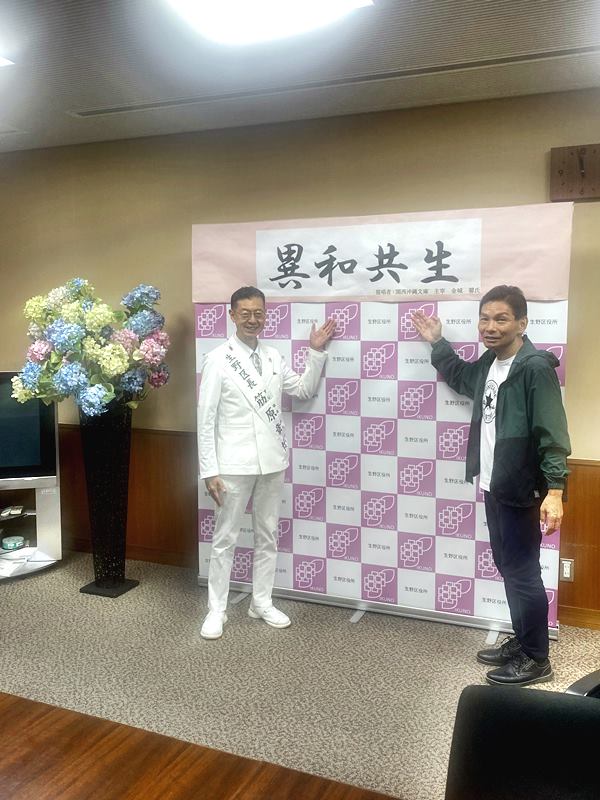
These efforts are based on the philosophy of "Iwakyosei", which differs from multicultural coexistence by acknowledging and embracing discomfort and friction rather than erasing them, thereby fostering community living. Ikuno Ward aims, with the 2025 Expo as a catalyst, to promote and share its unique culture of coexistence and enhance regional attraction and sustainable development. ( The editor of Globalcommunity, Kazumi Miyazaki)
 

Choei Global Desk Staff Interview

  • 2025/08/15 23:22
INTERNATIONAL

Choei Global Desk – All Staff Are Former Tenants, Putting “Tenants First”

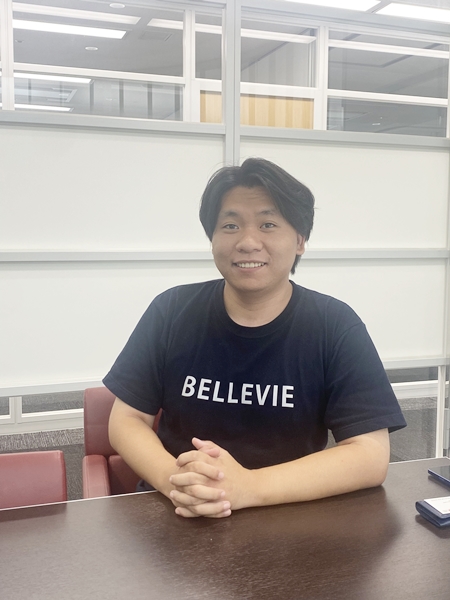
We spoke with Ms. Tao Sui‑Xin from Choei’s Global Desk, who is fluent in Japanese, English, and Chinese.


Q: I’ve heard that you were originally a tenant in a Choei property. Could you introduce yourself and tell us a bit about your background?

A (Tao): That’s right. I used to live in a Choei property and felt very safe and comfortable there. One of Choei’s strengths is that they have such a wide variety of properties that you can choose the one best suited to your needs.

I graduated from a university in Kyoto, and after that, I moved to Hokkaido and Osaka for work. Eventually, I returned to Kyoto, a city that is so livable, and started working in my current role. My main job is to assist customers in English and Chinese.

Choei manages about 28,000 rental units, and among them, around 2,800 tenants are foreign nationals. I believe this is one of the reasons why our international customers feel reassured.

Q: I understand that many of those are international students?

A (Tao): That’s correct. Most of the people we support are international students studying at universities, vocational schools, or Japanese language schools. We not only help them find apartments, but also advise them on daily life in Kyoto, so that their parents back home can feel at ease as well.

Since I myself was once an international student in Kyoto, that experience is extremely helpful in my current work. Recently, we’ve often been helping students find a place to live even before they come to Japan. We also hold regular “Housing Guidance Sessions” at universities and language schools.

Because the busy times for apartment hunting tend to overlap, school visits like these are greatly appreciated. And since Choei manages so many of its properties, we can support a large number of students efficiently — that’s one of our strengths.


Q: Choei’s unique services for tenants are quite popular as well.

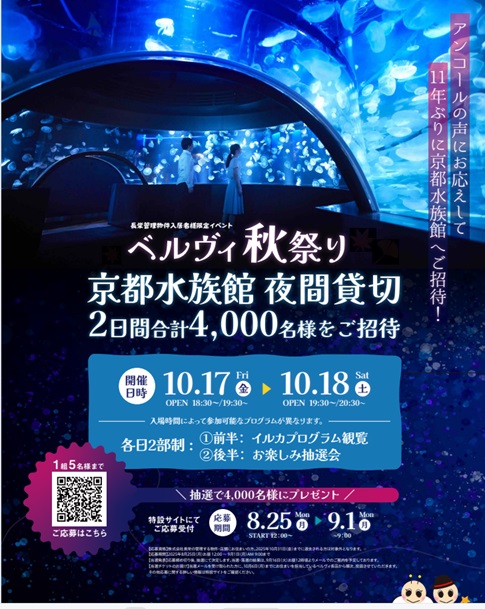
A (Tao): That’s right. For example, this coming October, we will hold a private‑booking event at the Kyoto Aquarium. We’ll be inviting 4,000 people, and anyone living in a Choei‑managed property can join. Of course, the 2,800 foreign tenants are welcome as well, so I expect many will participate.

We also have very popular events like invitations to the Biwako Fireworks Festival and strawberry‑picking outings, and giveaways such as fully‑ripe Miyazaki mangoes or Kyoto‑grown rice. These kinds of activities, designed from a “Tenants First” perspective to help residents enjoy their daily lives, are something you’d rarely find anywhere else.


Interviewer’s Note:
Thank you very much. It’s clear that Choei truly values its tenants.

While many real estate companies provide a variety of services for property owners, it is quite rare for a property management company to offer such services for tenants. With its long track record in Kyoto and its position as the number one local company in the area, Choei is also fulfilling an important social role.

It is said that about 10% of Kyoto’s residents are students, and among them, international students in particular often need multilingual support as they adjust to life in Japan. This service, too, grew out of Choei’s commitment to putting tenants first.

I sincerely hope that more real estate companies across Japan will follow Choei’s example of prioritizing tenants’ needs.( Kazumi Miyazaki )

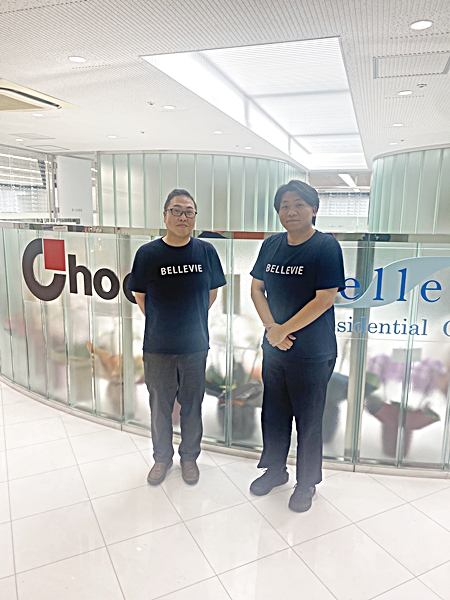
Mr. Tao and Mr. Okuno, the Executive in Charge

Indonesian Student Who Came to Japan for the International Red-White Singing Festival Is Now Studying Abroad in Japan!

  • 2025/05/24 15:06
INTERNATIONAL


Indonesian Student Who Came to Japan for the International Red-White Singing Festival Is Now Studying Abroad in Japan!

NAYA’s Experience at the 11th International Red-White Singing Festival in 2023  

https://www.yokosojapan.net/article.php/20231127irws2023_event_en

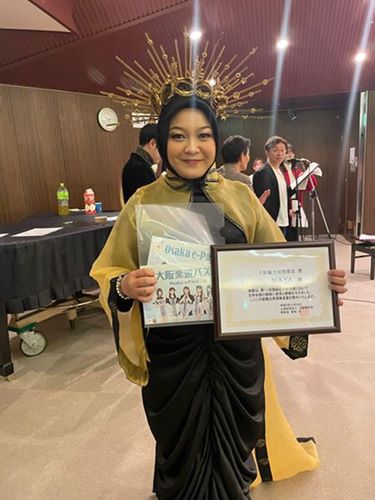
We interviewed NAYA, an Indonesian student currently studying in Japan, who won the Osaka Tourism Chairman’s Award at the 2023 International Red-White Singing Festival.

How She Came to Japan

NAYA first learned about the International Red-White Singing Festival during her fourth year of university. At the time, she was busy preparing for her graduation exams and didn’t initially plan to apply. However, encouraged by her teachers and parents, she decided to take on the challenge.

Having studied singing since the age of five, she carefully learned the meaning of the Japanese lyrics and sang “First Love” (by Hikaru Utada) with heartfelt emotion. After passing two rounds of selection, she was chosen to represent Indonesia at the festival in Japan. She was overjoyed to come to Japan and thoroughly enjoyed her time, being impressed by the cleanliness of the cities and the politeness of the Japanese people.

After returning to Indonesia, NAYA wanted to work in Japan. However, since her major was clinical laboratory science, not nursing or caregiving, it was difficult to find a path to Japan. While considering her future, she had the opportunity to have a meal with Mr. Haruyama, President of Handy International Network, who had invited her to Japan for the International Red-White Singing Festival.

Impressed by her confident singing and cheerful, considerate personality, Mr. Haruyama invited NAYA to work in Japan. With her parents’ encouragement, she decided to pursue this opportunity she had once given up on.

However, one condition for employment was to improve her Japanese to a business-usable level.

She immediately began studying Japanese, taking two hours of online lessons daily. Although it was a busy time, as she was also preparing for her graduation exams, she managed to keep up with her studies. She even had to be hospitalized for a month due to exhaustion, but ultimately, she achieved her goal of passing the JLPT N4 exam.

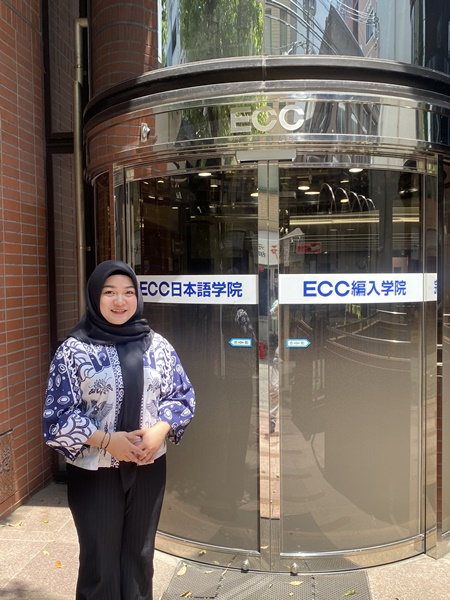
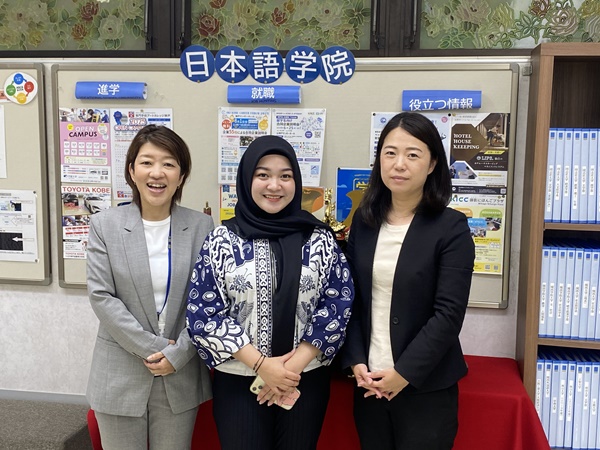
After graduating from her university in Indonesia, she took a three-month intensive online course focused on Japanese conversation at ECC, studying four and a half hours every day. Studying online with about 14 other students, her conversational skills gradually improved. She also met other Indonesian students from the course in person, and they encouraged each other to keep studying.

After completing the intensive course, NAYA came to Japan in March 2025 and is now attending ECC Japanese Language Institute Sannomiya School.

Impressions of Japan and Daily Life

NAYA enjoys Japanese food and finds everyone very kind, so she is enjoying her life in Japan. Sometimes she misses Indonesian food, so she cooks Indonesian-style dishes using seasonings her mother sends from home. The hardest part is studying kanji, but she practices a little every day.

She also noticed that Japanese people walk very fast, and that both trains and people are always on time, which she finds impressive.

Dreams for the Future

First, NAYA wants to master Japanese and use her skills in Japanese, English, and Indonesian to support Indonesian and other foreign staff working in unfamiliar environments such as Japanese hospitals and care facilities. Many graduates from medical-related universities and higher education institutions in Indonesia struggle to find good opportunities and fair wages at home, so she expects more people will want to work in Japan in the future. She hopes to provide comprehensive support for foreign staff in hospitals so they can live comfortably and securely in Japan.

Also, since singing has always been her passion and has opened up new opportunities for her, she wants to continue singing to encourage others, even alongside her work.

NAYA spoke brightly about her dreams. It is now common to see foreign staff working in caregiving and medical fields in Japan. These are high-pressure, stressful workplaces, but foreign staff have become indispensable. People like NAYA, who support them, are also invaluable. We hope she will continue to bring joy and encouragement to everyone, sometimes through singing, just as she always has.

NAYA is scheduled to perform at the 13th International Red-White Singing Festival at the Osaka-Kansai Expo on September 19.

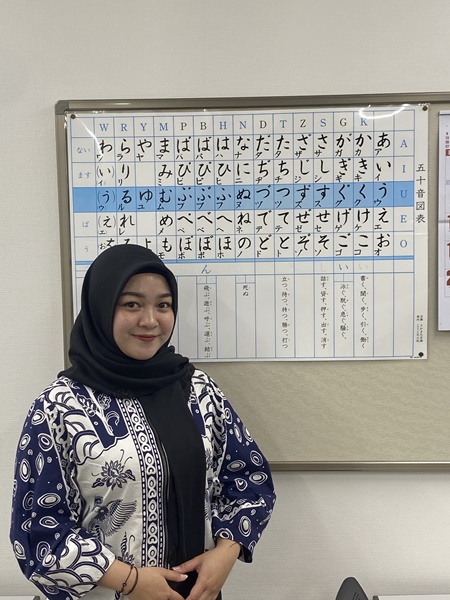
(Photo: With her teachers)


"A Voice Beyond Borders": Sundari Mica’s 17-Year Cultural Bridge in Nepal

  • 2025/04/28 09:27
INTERNATIONAL "A Voice Beyond Borders": Sundari Mica’s 17-Year Cultural Bridge in Nepal


Born in Tokyo’s Ōta Ward, Sundari Mica began her musical journey with a band while studying at Waseda University. A transformative 1993 trip to Nepal introduced her to traditional folk music, inspiring her to master the Ressan Firiri rhythm and later form the Sundari Band upon returning to Japan. While working at a publishing company, she continued performing before relocating solo to Kathmandu in 1999 to immerse herself in Nepal’s musical heritage.

Learning from Legends Under the mentorship of Nepal’s iconic vocalist Mira Rana and percussion maestro Nuche Bahadur Dangol, Mica honed her craft. Her 2003 debut album, Sundari, recorded in both Nepali and Japanese- earned critical acclaim, followed by the Gorkha Dakshina Bahu Medal (4th Class) in 2004, making her the first Japanese recipient of this royal honor for cultural contributions. These achievements drew significant media attention in Japan.


Harmonizing Recovery


After Nepal’s devastating 2015 earthquake, Mica composed the anthem Ekata Ko Geet Gaundaai (Uniting Hearts), organizing charity events across Japan to engage youth from both nations. Her vision extended to education through initiatives like the Terakoya Project, fostering cross-cultural exchange for future generations.

A Beacon for Aspiring Women

“Being a professional singer means preserving culture with conviction, not chasing profit,” Mica asserts. True to her name (Sundari translates to “beautiful woman” in Nepali), her cross-border artistry serves as a compass for women navigating diverse paths. “I’ll keep singing for friendship between our nations,” she vows.

Bridging Communities


With 6 million Nepalis (20% of Nepal’s population) working abroad and over 118,000 Nepali workers in Japan as of 2022, Mica’s dual role as a cultural ambassador-residing long-term in Nepal while advocating for its culture in Japan-holds exceptional significance.

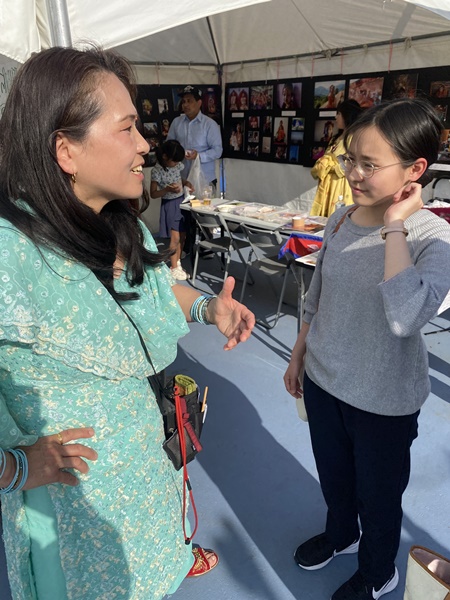
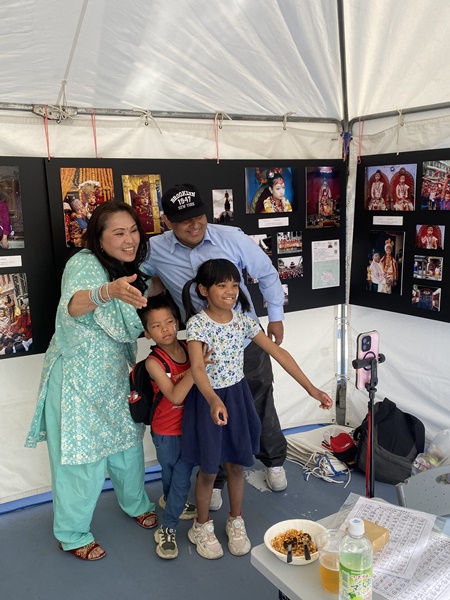
Sundari Mica is confirmed to perform at the 13th International Red-White Singing Festival on September 19 at the Osaka-Kansai Expo’s Festival Station, an event promoting cross-cultural exchange through music.

Her efforts at April’s inaugural NEPAL FESTA Osaka (April 26–27, 2025) showcased her dedication to fostering mutual understanding amid Japan’s growing Nepali diaspora.

As a representative of the International Red-White Singing Festival organizing committee, I think Mica continues to leverage music to address cultural gaps. Her work exemplifies the festival’s mission to deepen international ties through artistic collaboration.

(By Kazumi Miyazaki, Global Community Editor)

From Expo ’70 Osaka to Expo 2025 Osaka-Kansai: Half a Century of UAE–Japan Friendship

  • 2025/04/20 16:27
INTERNATIONAL

From Expo ’70 Osaka to Expo 2025 Osaka-Kansai: Half a Century of UAE–Japan Friendship


In 1970, during Japan’s period of rapid economic growth, the Osaka Expo became a historic event with participation from 77 countries. 

At that time, what is now the United Arab Emirates (UAE) had not yet been founded; “Abu Dhabi” participated in the international exposition for the first time under British protection, marking the emirate’s initial steps into the global community alongside the discovery of oil resources.


When the UAE was officially established in 1971, Japan was among the very first countries to recognize the new nation, swiftly establishing diplomatic relations. 

Since then, the two countries have built a multi-layered relationship, centered on energy cooperation but extending into economic, cultural, and technological fields. 

After the oil shocks of the 1970s, Japan positioned the UAE as a vital crude oil supplier, while the UAE benefited from Japanese technology and infrastructure, accelerating its modernization.


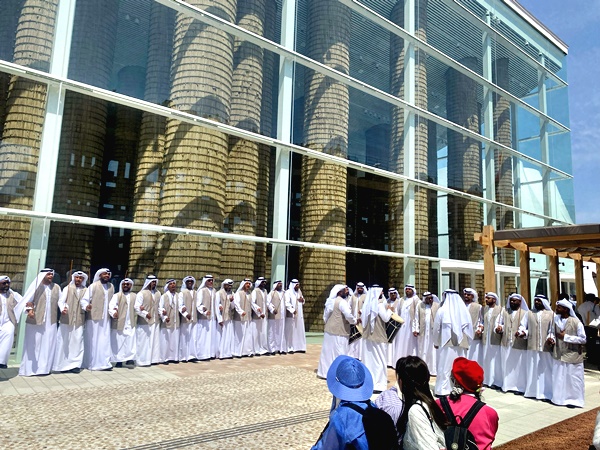
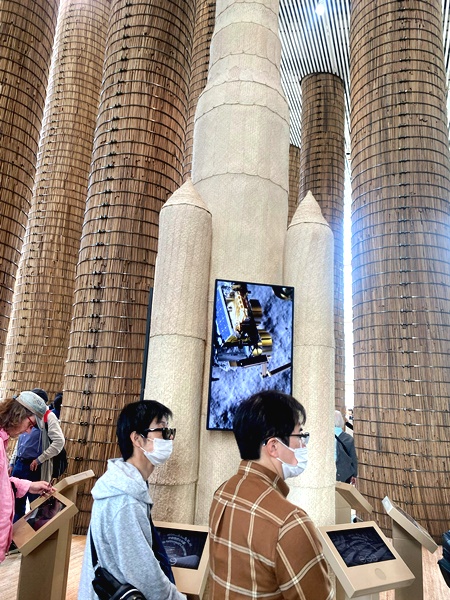
Fifty years later, Expo 2025 returns to Osaka. The UAE will participate in the “Empowering Lives” zone with one of the largest national pavilions. This pavilion, blending traditional date palm materials with Japanese wooden architecture, symbolizes the UAE’s past, present, and future. 

It is designed as a showcase and a platform for international collaboration in innovation, sustainable technology, space exploration, and healthcare fields that will shape tomorrow's society.

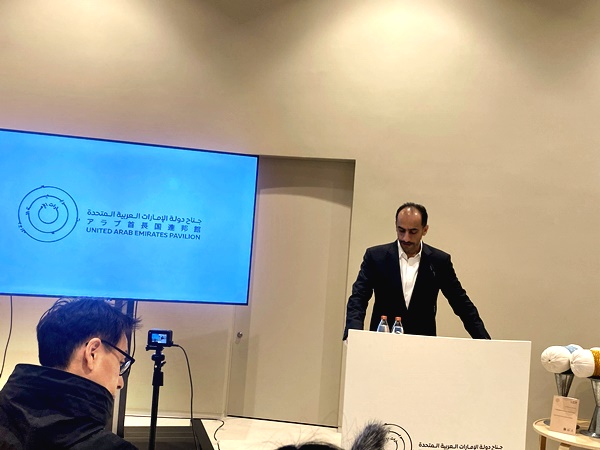
A UAE official has emphasized the special significance of returning to Osaka, where Abu Dhabi first participated in a world expo in 1970. The UAE ambassador to Japan has highlighted the over 52 years of mutual respect and cooperation between the two countries.


The ties that began at Expo ’70 have grown far beyond energy and economics, now encompassing culture, education, and innovation. 

Expo 2025 Osaka-Kansai will serve as a stage to demonstrate the enduring friendship from past to future, and the shared commitment of both nations to building a sustainable society together.


—The Stories of Two Youth Ambassadors: A Japanese Woman and a Man from the UAE—

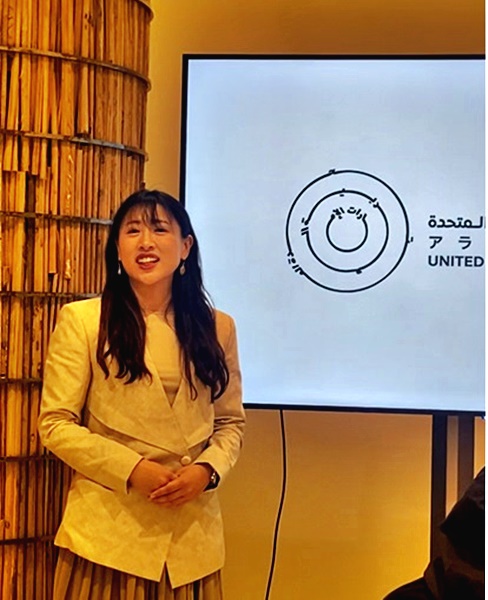
Kyoto native Ms. Mizue Ichikawa, who previously worked in the apparel industry, decided to apply for the Youth Ambassador program, believing that such a valuable opportunity to interact with people worldwide at the Expo would never come again. Through the ambassador training, she discovered new attractions of the UAE, such as the fact that it is home to not only deserts but also rich natural environments, and that about 90% of the population consists of immigrants, making it a highly diverse and multicultural society. Although only two days have passed since the program began, she spoke with a gentle smile about the many wonderful encounters she has already had.

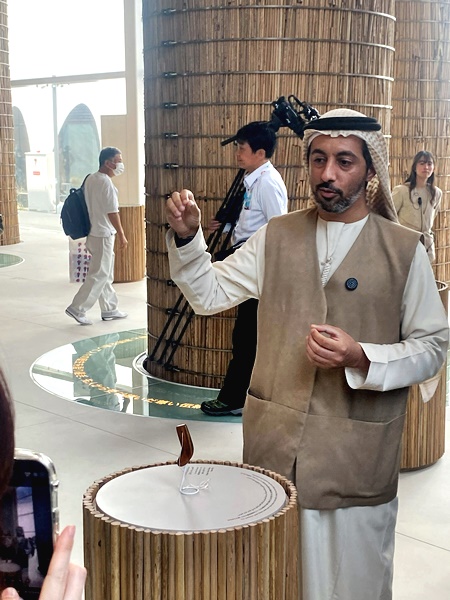
The male Youth Ambassador, Mr. Abdulla Alsuwaidi from the UAE, used to work at the state-owned oil company in Abu Dhabi and was transferred to its Tokyo branch.  He expressed how honored he was to have this opportunity. Afterwards, he guided visitors through the pavilion in fluent Japanese.

https://youtube.com/shorts/u-aGB2maHFA (Pavilion Tour Video by the UAE Youth Ambassador)

In the UAE, dates from the date palm are processed in various ways, and their combination with coffee, in particular, has become a daily habit. Dates are served with coffee or added to the coffee itself, and they are rooted in Arab hospitality and modern cafe culture.

Contributing to Benin's Agriculture with Japanese Technology

  • 2025/04/08 15:46
INTERNATIONAL

Contributing to Benin's Agriculture with Japanese Technology

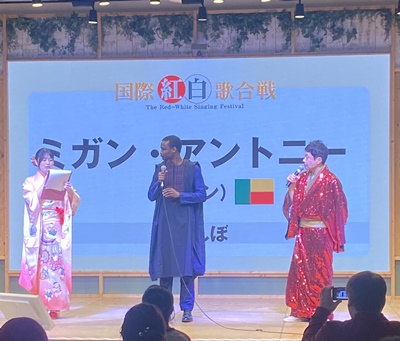
We had the opportunity to speak with Mr. Migan, an international student from Benin who also participated in the International Red-White Singing Festival.

Mr. Migan, your performance of Tsuyoshi Nagabuchi’s “Tombo” at the International International Red-White Singing Festival was incredible! Today, we’d like to hear about your journey to studying robotics in Japan. Could you start by telling us about your dreams during high school?

Originally, I aspired to become a doctor. However, I realized that attending medical school required significant time and financial resources. That’s when I reconsidered and thought, “If I study AI and robotics, I could create something that benefits people.” I began studying electrical and electronic engineering at a university in Benin, but unfortunately, there were no institutions specializing in robotics in my home country.

Is that what led you to decide to study abroad in Japan?

Yes. While researching, I was shocked to learn that 60% of the world’s industrial robots are made in Japan. I thought, “I have to study there.” But first, I needed to learn Japanese… (smiling) When I contacted the embassy, I discovered that there was a free Japanese language school in my hometown! It was the Takeshi Japanese Language School founded by Mr. Zomahoun.

What was the atmosphere like at that school?

The classroom had a distinctly Japanese feel, with a photo of Takeshi Kitano displayed at the back and calligraphy and origami scattered around. There were Japanese teachers and about 100 students, where we could deeply learn both the language and culture. I attended for five years while also going to university.

After gaining experience with a Japanese company, you realized your dream of studying in Kobe?

After graduating from university, I worked for a Japanese-affiliated company in Benin. It was there that I learned about JICA’s scholarship program. With the support of my company president, I applied and enrolled at Kobe Institute of Computing in October 2022. After completing a two-year master’s program, I am now pursuing my doctoral studies at Konan University.

Could you tell us about your specific research?

I’m developing a robot for harvesting corn, which is a staple food in Benin! My research focuses on using AI to determine ripeness and harvest crops without damaging them. At Kobe City’s Africa Business Contest, I won the Student Award, and meeting Mr. Taguchi from Borderless Japan was an inspiring experience as well.

What has stood out to you about life in Japan?

I was amazed by how energetic elderly people are! The convenience of trains and the revolutionary features of rice cookers also impressed me (laughing). I love tsukemen (dipping noodles), but wasabi’s spiciness caught me off guard… Also, I’ve attended Tsuyoshi Nagabuchi’s concerts twice! During my time at the Japanese language school, I learned his song “Kanpai,” and he became an idol of mine.

What are your future goals?

I want to expand these harvesting robots not only in Benin but across the world. Practicing Aikido at Konan University and interacting with local children and fellow international students has deepened my appreciation for the connection between technology and humanity. After earning my doctorate, I plan to teach back home in Benin and give back by sharing the knowledge I’ve gained in Japan—that’s my mission.

Speaking with such an ambitious international student was truly inspiring. It seems that at Benin’s Japanese language school, students not only learn Japanese but also gain insights into Japanese ways of thinking and interpersonal connections—making it an enjoyable experience overall. We hope Mr. Migan’s dreams come true and that more students from Benin will come to Japan in the future!( editor Kazumi Miyazaki of Globalcommunity)

Japanese Language School Teacher Makes First Appearance at the International Red and White Singing Festival

  • 2025/02/21 07:31
INTERNATIONAL

Japanese Language School Teacher Makes First Appearance at the International Red and White Singing Festival


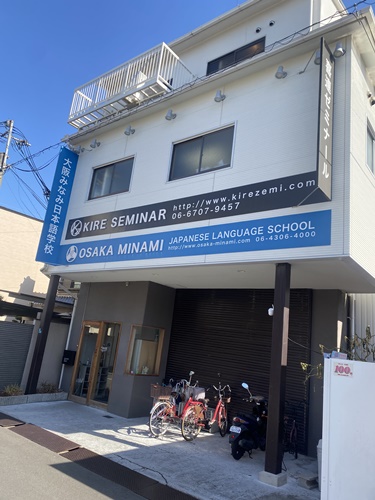
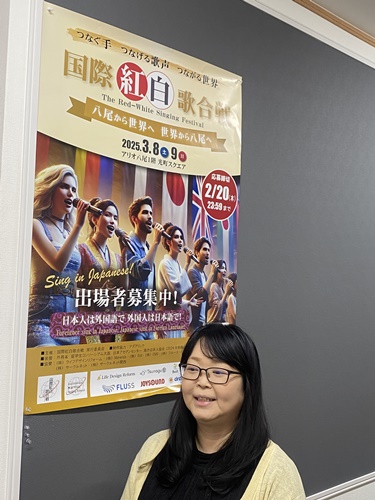
An interview was conducted with Ms. Michiko Sawai of Osaka Minami Japanese Language School, who participated as a contestant in the International Red and White Singing Festival in ARIO Yao.

She is a Japanese language school teacher, will participate as a performer for the first time.
She is also known for her unique approach of incorporating songs into Japanese language education to deepen connections with her students.

Utilizing Songs in the Classroom

Ms. Sawai creates an enjoyable environment for students to learn Japanese by using Japanese songs in her lessons. She explained that this approach comes from her own experiences:

“I love singing in foreign languages, and even when I couldn’t speak Korean or Chinese in Korea or China, I was able to connect with local people through singing. That experience inspired me to incorporate songs into my classes.”

She added,

“We also have class-wide song presentations during the school’s speech contest held in March, so everyone learns Japanese songs with clear goals and has fun.”

Furthermore, Osaka Minami Japanese Language School has established a “Japanese Songs Course” as an elective in the final semester before graduation. Students practice Japanese songs and study lyrics three times a week as part of a school-wide initiative.

What songs are popular in class now?

Ms. Sawai shared:

“Songs like ‘Blue Bird’ from the anime Naruto and YOASOBI’s ‘Idol’ are popular among students. Angela Aki’s ‘Tegami’ is also well-liked because the lyrics are easy to understand, and many students have learned it in their home countries, making it a hit at karaoke as well.”

International Exchange Through Music

The International Red and White Singing Festival aims to foster mutual cultural exchange through music. By having foreigners sing in Japanese and Japanese participants sing in foreign languages, the event deepens understanding of each other’s cultures. Ms. Sawai also agreed, saying that knowing just one Japanese song can create opportunities for conversation and friendship with Japanese people.

This year, Ms. Sawai will represent Osaka Minami Japanese Language School at the International Red and White Singing Festival held at Ario Yao on March 8 and 9, sharing her determination to inspire her students through her participation.

About 70% of the participants were foreigners when the festival began. Now, in its 13th year, the number of Japanese applicants greatly exceeds that of foreign applicants, demonstrating the event’s expanding reach.

We hope that at the 13th International Red and White Singing Festival, to be held at the Osaka-Kansai Expo on September 19, even more students and teachers from Japanese language schools will join, making it a place where the power of international exchange and music can be truly felt

mizade entre os povos de Osaka e São Paulo

  • 2024/11/28 16:44
INTERNATIONAL

mizade entre os povos de Osaka e São Paulo


O relacionamento de cidades-irmãs entre Osaka e São Paulo, estabelecido em 27 de outubro de 1969, tem facilitado mais de 50 anos de intercâmbios vibrantes em diversos campos. Esta parceria incluiu eventos como concursos de discurso em português e oficinas de futsal em colaboração com o clube de futebol brasileiro Corinthians, realizados em Osaka. Essas atividades não apenas fortaleceram os laços culturais, mas também promoveram a compreensão mútua entre os cidadãos de ambas as cidades.


Visita de Intercâmbio Cultural Recente


Em 2024, como parte do programa de subsídios da cidade de Osaka comemorando o 55º aniversário do relacionamento de cidades-irmãs, Paula Hirama visitou Osaka. Durante sua visita, ela se envolveu em intercâmbios culturais com cidadãos locais e estudantes voluntários intérpretes.
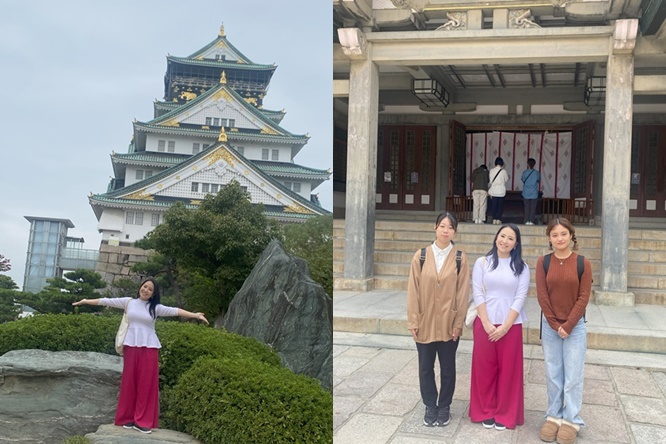
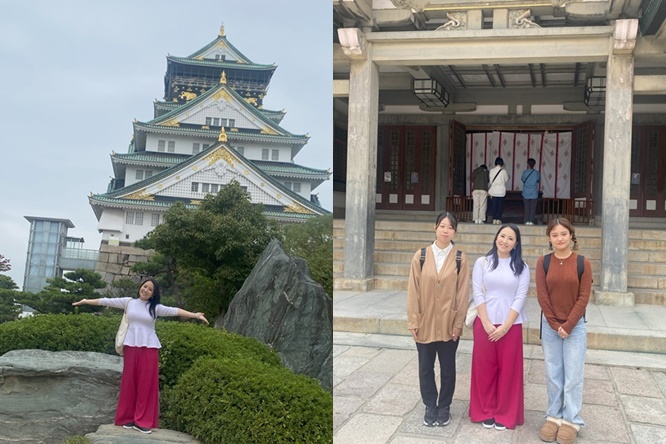
Em 16 de novembro, guiada por dois estudantes intérpretes, ela visitou o Castelo de Osaka e o Santuário Hokoku. Paula ficou particularmente impressionada com a história do Castelo de Osaka, que foi originalmente construído pelo samurai Toyotomi Hideyoshi e posteriormente reconstruído através de doações públicas após ser destruído duas vezes.

Os guias estudantes, Madoba (um estudante do primeiro ano do ensino médio) e Ueno (um estudante do segundo ano da universidade), forneceram tours bilíngues em japonês e inglês.


Insights Culturais e Atividades


O clima quente de novembro tornou agradável a exploração de Paula do Castelo de Osaka e do Santuário Hokoku. Ela aprendeu sobre a crença xintoísta em "Yaoyorozu no Kami", que sugere que os deuses residem dentro de si mesmo e na natureza, como plantas e animais. Este conceito intrigou Paula enquanto ela ouvia os guias estudantes.Embora ela tivesse visitado o Japão aos 16 anos, esta foi sua primeira vez em Osaka, e ela ficou encantada em ver um castelo japonês pela primeira vez.


Durante sua visita, Paula também notou uma plataforma para exercícios de "Radio Taiso", o que desencadeou uma conversa sobre continuidade cultural. Ela se lembrou de participar desses exercícios dentro da comunidade nipo-brasileira quando criança no Brasil.
Esse patrimônio cultural compartilhado foi apreciado tanto por Paula quanto pelos estudantes japoneses, destacando a influência duradoura da cultura japonesa entre os descendentes japoneses no exterior.


Experimentando as Artes Tradicionais Japonesas


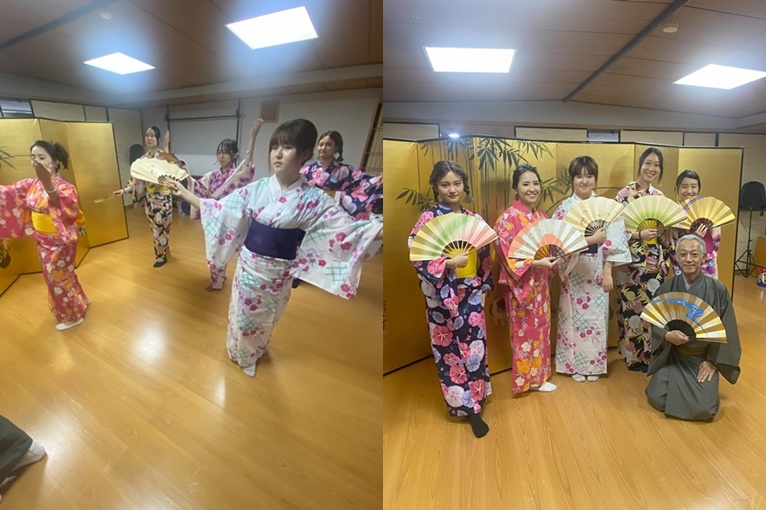
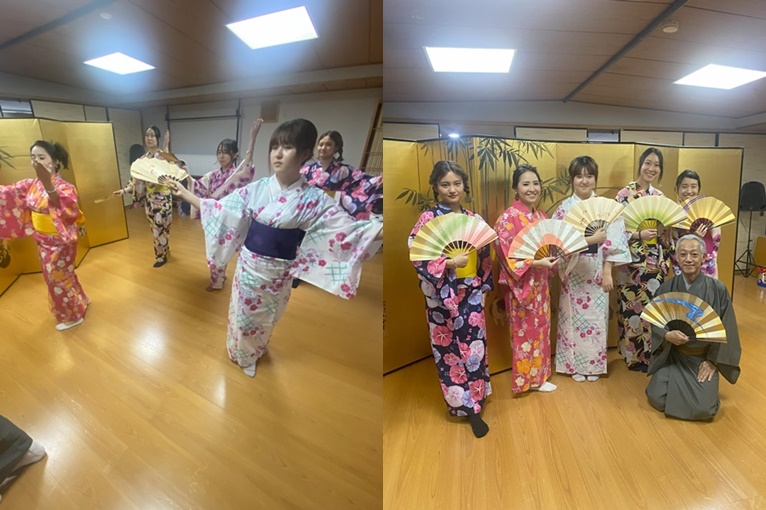
Após a visita aos locais históricos, Paula e seu grupo se dirigiram a Shinsaibashi para uma oficina de dança tradicional japonesa (Nihon Buyo) com a escola "Ougi-ryu". Eles foram acompanhados por participantes adicionais: Omachi (um estudante do quarto ano da universidade), Yamashita (um estudante do segundo ano do ensino médio), Fujimoto (um estudante do terceiro ano do ensino médio) e Mori (um adulto trabalhador).
Depois de trocar para yukatas, eles aprenderam posturas básicas de dança e técnicas de leque antes de experimentar uma sessão de dança em grupo.
Paula também teve a oportunidade de tentar tocar instrumentos tradicionais como o tambor e o shamisen, o que aumentou sua satisfação com a experiência cultural.
A oficina proporcionou um ambiente relaxado onde os participantes puderam desfrutar aprendendo juntos.

O Mestre de Dança Sr. Ougi expressou satisfação ao ver todos se engajarem com entusiasmo e mencionou planos para promover o intercâmbio internacional através de artes tradicionais acessíveis como o Nihon Buyo.


Delícias Culinárias e Discussões Culturais


O grupo posteriormente se mudou para Nagahoribashi para desfrutar do famoso takoyaki de Osaka no "Amafuku". Conversas sobre preferências musicais entre colegas e comparações entre as sociedades brasileira e japonesa enriqueceram esta experiência de intercâmbio cultural.
Tais interações sublinharam a importância dos intercâmbios cidadãos de base para fomentar a compreensão mútua.


Olhando para a Expo 2025


Com a aproximação da Expo 2025 Osaka, Kansai, há uma expectativa de aumento de visitantes do Brasil para o Japão. A Expo servirá como uma plataforma significativa para promover intercâmbios de base como os experimentados por Paula Hirama.
Essas interações são cruciais para expandir oportunidades de compreender profundamente as culturas um do outro, aprimorando a cooperação global e a amizade entre o Brasil e o Japão.


Friendship between Osaka and São Paulo people

  • 2024/11/28 16:01
INTERNATIONAL

Friendship between Osaka and São Paulo people


The sister city relationship between Osaka and São Paulo, established on October 27, 1969, has facilitated over 50 years of vibrant exchanges across various fields. This partnership has included events such as Portuguese speech contests and futsal workshops in collaboration with the Brazilian soccer club Corinthians, held in Osaka. These activities have strengthened cultural ties and fostered mutual understanding between the citizens of both cities.


Recent Cultural Exchange Visit


In 2024, as part of Osaka City's grant program commemorating the 55th anniversary of the sister-city relationship, Paula Hirama visited Osaka. She engaged in cultural exchanges with local citizens and student interpreter volunteers during her visit.

On November 16, guided by two student interpreters, she visited Osaka Castle and Hokoku Shrine. Paula was particularly impressed by the history of Osaka Castle, which was originally built by the samurai Toyotomi Hideyoshi and later reconstructed through public donations after being destroyed twice. The student guides, Madoba (a high school first-year student) and Ueno (a university second-year student), provided bilingual tours in Japanese and English.


Cultural Insights and Activities


The warm weather in November made Paula's exploration of Osaka Castle and Hokoku Shrine enjoyable. She learned about the Shinto belief in "Yaoyorozu no Kami," which suggests that gods reside within oneself and in nature, such as plants and animals. This concept intrigued Paula as she listened to the student guides.


Although she had visited Japan at age 16, this was her first time in Osaka, and she was delighted to see a Japanese castle for the first time.

During her visit, Paula also noticed a platform for "Radio Taiso" exercises, which sparked a conversation about cultural continuity. She recalled participating in these exercises within the Japanese-Brazilian community as a child in Brazil.

This shared cultural heritage was appreciated by both Paula and the Japanese students, highlighting the enduring influence of Japanese culture among Japanese descendants abroad.


Experiencing Traditional Japanese Arts


After visiting historical sites, Paula and her group headed to Shinsaibashi for a workshop on traditional Japanese dance (Nihon Buyo) with the "Ougi-ryu" school. They were joined by additional participants: Omachi (a university fourth-year student), Yamashita (a high school second-year student), Fujimoto (a high school third-year student), and Mori (a working adult).

After changing into yukatas, they learned basic dance postures and fan techniques before experiencing a group dance session.

Paula also had the opportunity to try playing traditional instruments like the drum and shamisen, which added to her satisfaction with the cultural experience.

The workshop provided a relaxed environment where participants could enjoy learning together. The Dance Master Mr.Ougi expressed delight at seeing everyone engage enthusiastically and mentioned plans to promote international exchange through accessible traditional arts like Nihon Buyo.


Culinary Delights and Cultural Discussions


The group later moved to Nagahoribashi to enjoy Osaka's famous takoyaki at "Amafuku." Conversations about music preferences among peers and comparisons between Brazilian and Japanese societies enriched this cultural exchange experience.

Such interactions underscored the importance of grassroots citizen exchanges in fostering mutual understanding.


Looking Ahead to Expo 2025


With Expo 2025 Osaka, Kansai approaching, there is an expectation of increased visitors from Brazil to Japan. The Expo will serve as a significant platform for furthering grassroots exchanges like those experienced by Paula Hirama.

These interactions are crucial for expanding opportunities to understand each other's cultures deeply and enhancing global cooperation and friendship between Brazil and Japan.


A Comfortable Living for Everyone' Osaka, Tokyo, Japan Project

  • 2024/08/02 19:11
INTERNATIONAL

A Comfortable Living for Everyone' Osaka, Tokyo, Japan Project


日本語ページ

Project Partner Introduction

City Housing Co., Ltd.

City Housing Co., Ltd. has specialized in the Ota Ward area, including Haneda Airport and Shinagawa Station, for over 30 years. With a management portfolio of about 10,000 units, the company offers a variety of real estate services and continues to expand its business steadily. Inquiries from foreigners visiting Japan for business or vacation have surged, and three foreign staff members handle these inquiries in multiple languages.

The company offers various land use services such as storage rooms, monthly apartments, coin parking, and renovations, aiming to become real estate experts. Foreign staff members are also working towards obtaining difficult real estate qualifications.

City Housing Co., Ltd. focuses on hiring and training foreign staff and sharing housing information for foreigners worldwide through them. City Housing Co., Ltd.

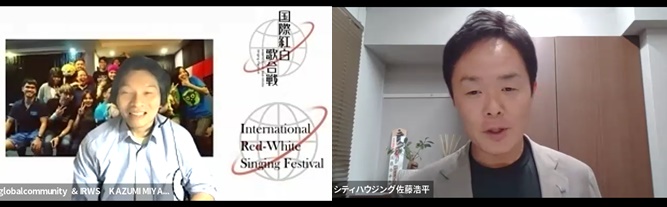
We interviewed Mr.Sato CEO of City Housing Co., Ltd

And heard about the efforts toward the SDGs in a Zoom meeting.

SDG's 10: Reduced Inequalities

City Housing Co., Ltd. engages in diverse real estate businesses. Primarily, in the monthly apartment division, they accommodate many foreigners visiting Japan for business. Staff who speak foreign languages provide careful support to those unfamiliar with Japanese customs. The foreign staff, who initially struggled themselves, can leverage their experiences to assist others, ensuring a comfortable environment for newcomers.

SDG's 11: Sustainable Cities and Communities

Rather than building new structures, the company focuses on renovating or rebuilding old apartments to propose energy-efficient living. They also repurpose unsuitable living areas into storage spaces like container houses. Efficient land use is crucial, especially in central Tokyo.

SDG's 17: Partnerships for the Goals

Many overseas customers contact the company in foreign languages after viewing their real estate information. Property tours are conducted via video without the need for physical visits. Meetings that used to be held company-wide are now conducted via teleconference, allowing real-time communication between distant locations. As the number of multilingual employees grows, the company can hold meetings with overseas businesses.

This year, they conducted an on-site inspection in Indonesia and plan to visit Vietnam next. They aim to expand their network with foreigners coming to Japan. Participating in the TEAMEXPO Co-Creation Challenge is part of this effort, hoping to expand their network internationally through this project.


ページナビゲーション