Student Volunteer Interpreter Guide Interview
- 2026/05/01 05:21

Student Volunteer Interpreter Guide Interview
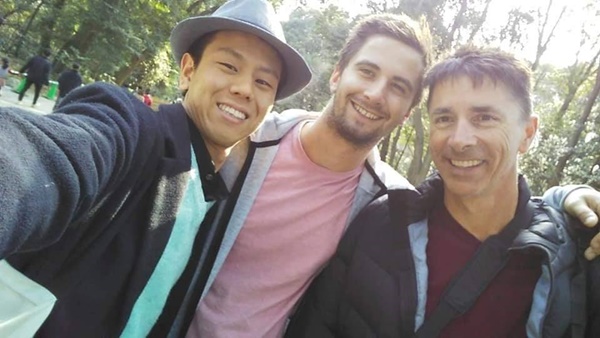
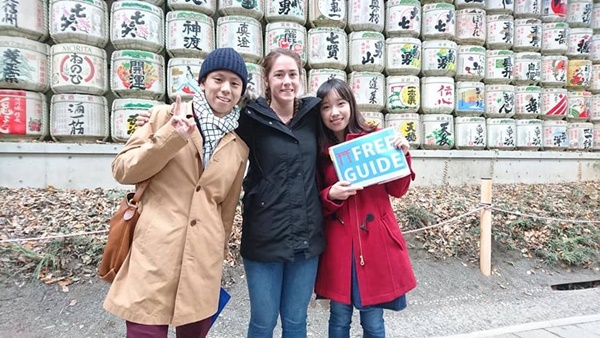
(Kobayashi is on the left in the photo)
This time, we spoke with Naoki Kobayashi, a second-year student at Meiji University and the leader of the student volunteer interpreter guide group. Since the summer of his first year, he has actively participated in this program and now plays a key role in energizing the group, working smoothly even with older, working adult members.
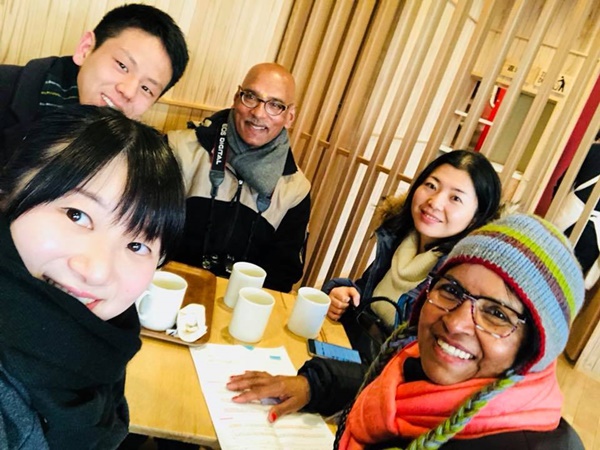
What inspired you to start this activity?
I happened to come across this activity on Facebook. I was interested in Japanese shrines and also wanted to interact with people from overseas, so I felt this was the perfect activity for me and decided to join.
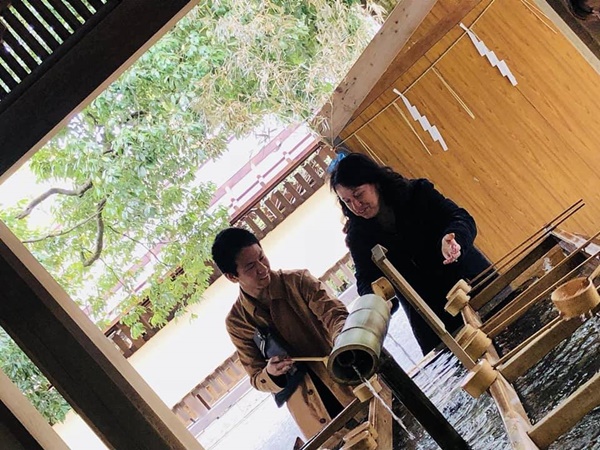
After starting the activity, what did you notice, and what do you keep in mind?
What surprised me most was how many tourists from all over the world visit Meiji Shrine.
Many visitors show a strong interest in Japanese ways of thinking and ask questions about shrines. Since I had no study-abroad experience and had not studied shrines in depth before, I try to prepare on the mornings of activity days by reviewing scripts and studying the knowledge necessary for guiding.
There are also working professionals who participate as observers, and I learn a lot from them. Through interacting with them, I gain insights into Japanese culture, customs, and ways of thinking that cannot be learned from books alone.
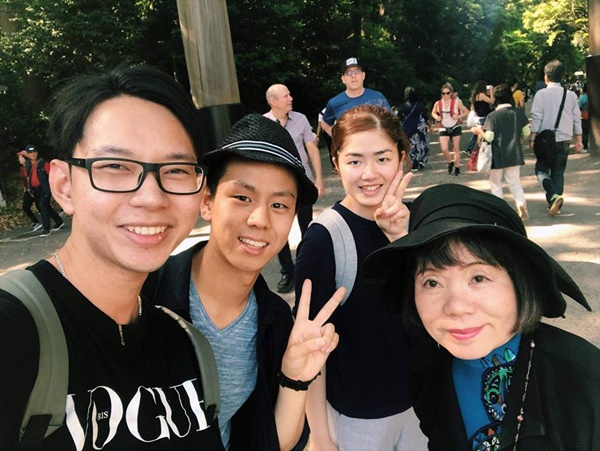
Regarding English, even if you understand something yourself, it takes effort to explain it clearly to others. I believe the most important thing is to communicate as clearly as possible.
More than English skills, what matters first is having knowledge about what you are explaining—especially Japan’s unique Shinto beliefs and how they are connected to everyday life. If you are clear about what you want to say and have enough knowledge to speak with confidence, you can adjust your English expressions according to your level.
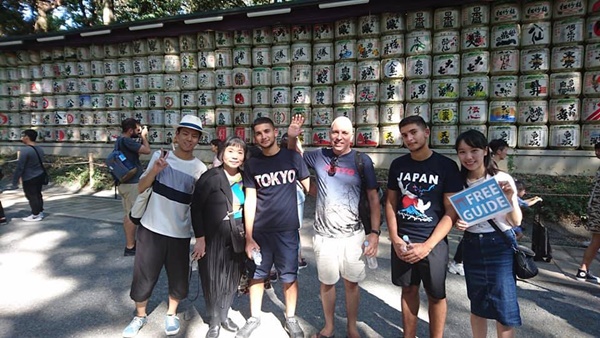
We usually work in groups, so one group of guests may be guided by two or three people. In such cases, we can complement each other’s strengths. For example, one member may have strong knowledge of sightseeing, while another may be more fluent in English. Together, we can provide a better guiding experience.
At first, I didn’t have much mental room to spare and tried to explain as much as I had memorized, but focusing too much on that made it difficult to have real two-way communication. Now, I try to value interaction by asking about the guests’ countries and their impressions of Japan.
Topics like “lucky numbers,” “traditional clothing,” “wedding customs,” “how people meet,” and “how they spend their holidays” often get people talking and make conversations lively.
Guests also enjoy it when I write their names in katakana or assign kanji characters and explain their meanings. Many people are especially interested in kanji.
I also think it’s helpful to practice explaining your own background and hobbies. In my case, my family runs a temple, and I am training to become a Buddhist priest, so sharing my experiences often interests guests.
Do you have any message for those who are thinking about joining this activity?
I am currently the leader of this group, having taken over from my seniors, but I am not someone who studied abroad, nor did I have any special background in history or culture. I simply had an interest in overseas cultures and wanted to share Japanese culture with people from other countries.
When I came across this activity, I realized it allowed me to achieve both goals at the same time.
Even now, I am not fully confident in my English, and I am still learning about Japanese culture. However, after continuing this activity for over a year, I have become able to communicate enjoyably with international guests and provide tours that make them happy.
So, for those who are unsure about joining, I encourage you to attend an orientation or try a trial guide session. For those with a strong curiosity to learn, this is an incredibly meaningful activity.
Participation is flexible—you can join at any time and balance it with other clubs or volunteer activities. Regular activities are held twice a month, on Sundays from 1:00 PM at Meiji Shrine.
Some people join because they want to improve their English, but I believe the quickest way is to first learn how to explain Japanese culture properly in Japanese. As your knowledge grows and your desire to communicate increases, you will naturally acquire the necessary English expressions.
Aside from these regular activities, I don’t do any special English study, but through repeated experience, you naturally learn commonly used expressions.
Studying English without a clear purpose can be difficult, but when you have a clear goal, it becomes surprisingly easier to continue without losing motivation.
The most important thing is consistency.
So, feel free to give it a try!
With the Tokyo 2020 Olympics approaching, volunteer interpreting and interpreter guide activities have been gaining increasing attention. It’s not too late to get involved. This is a valuable activity that helps develop communication skills and confidence, and it can also benefit your future career. We encourage you to attend an orientation session and experience it for yourself.
(Written by Kazumi Miyazaki, Editor-in-Chief, Global Community)
For regular activities at Meiji Shrine, please visit:
https://www.facebook.com/groups/gcvguide/events/
We are also recruiting volunteer staff for the International Red-White Singing Festival, where many alumni of the student volunteer interpreter guide program are actively involved.