Kyoto Aquarium for the special nighttime private event
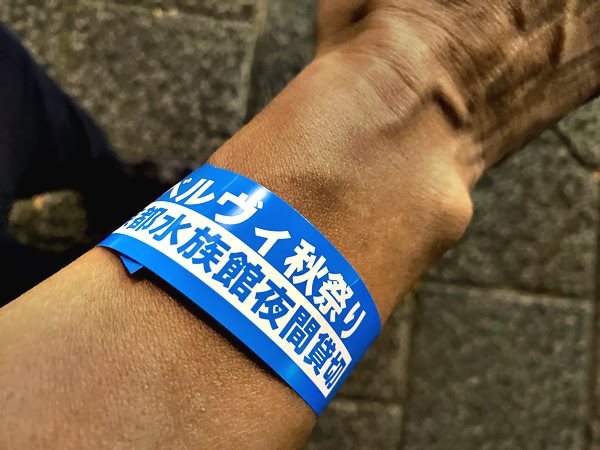
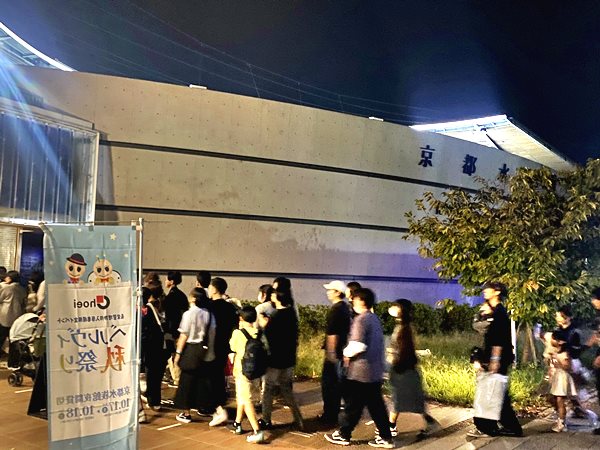
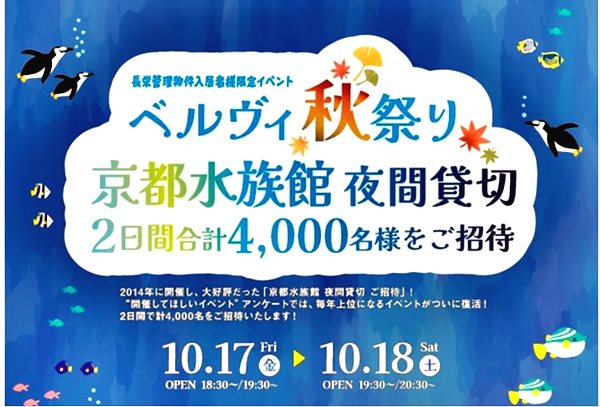
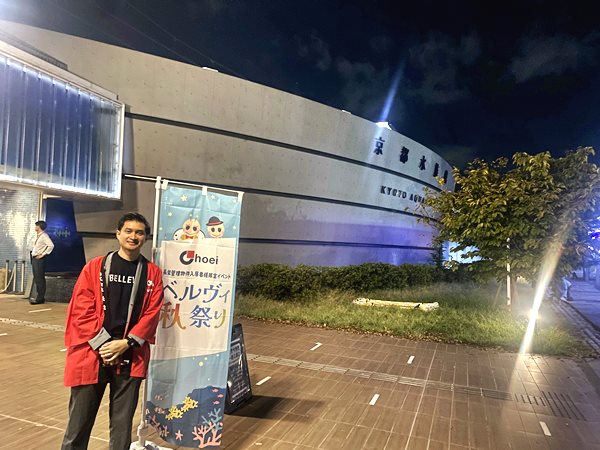
I visited the Kyoto Aquarium for the special nighttime private event held on October 17 (Friday) and 18 (Saturday).
This event was organized as part of the services provided to residents by Choei Co., Ltd..
(4000 tenants are invited to this event on the 17th and 18th of Oct.)
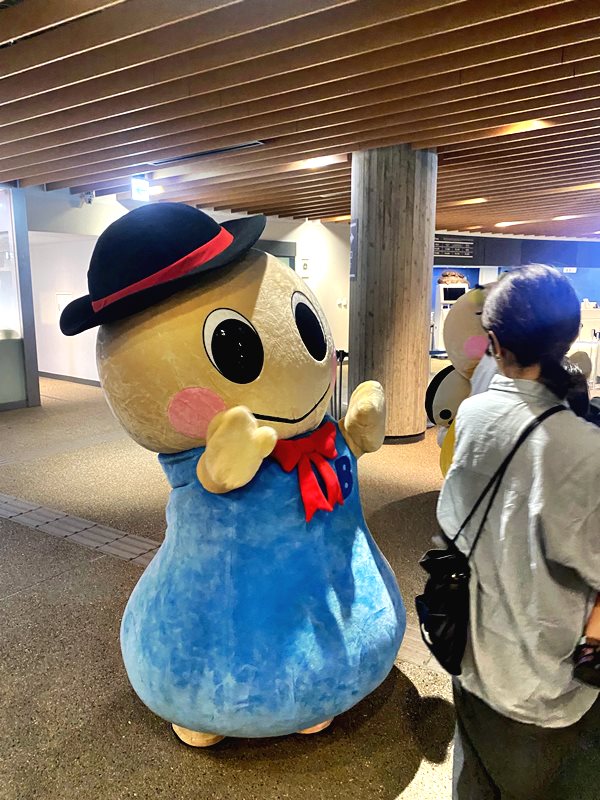
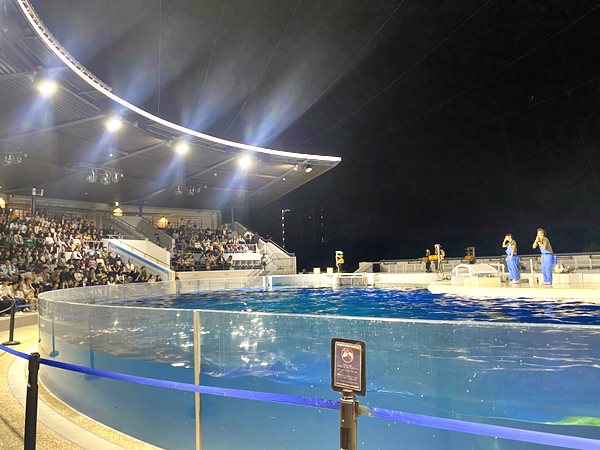
Before the 6:30 p.m. opening, a long line had already formed at the entrance, and inside, Choei’s friendly mascot welcomed the guests. Many families and couples living in Choei’s managed properties enjoyed the dolphin show and the aquarium's unique nighttime atmosphere.
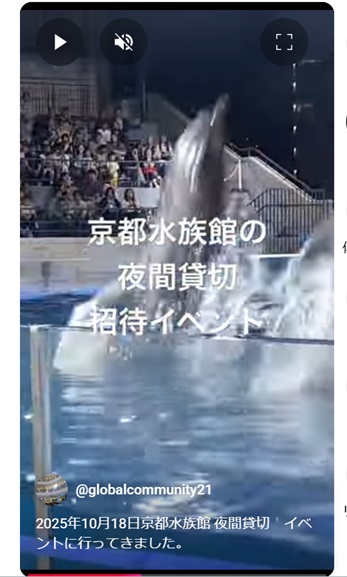
The “Splash Seat,” where visitors could feel the spray as dolphins leaped right in front of them, was especially popular—not only with children but also with young mothers who, often busy with parenting, were able to relax and reconnect with their playful side.
Each penguin had its own name to help visitors feel more familiar with it.
The exhibit also highlighted creatures from Kyoto’s clear mountain streams, such as the native Japanese giant salamander.
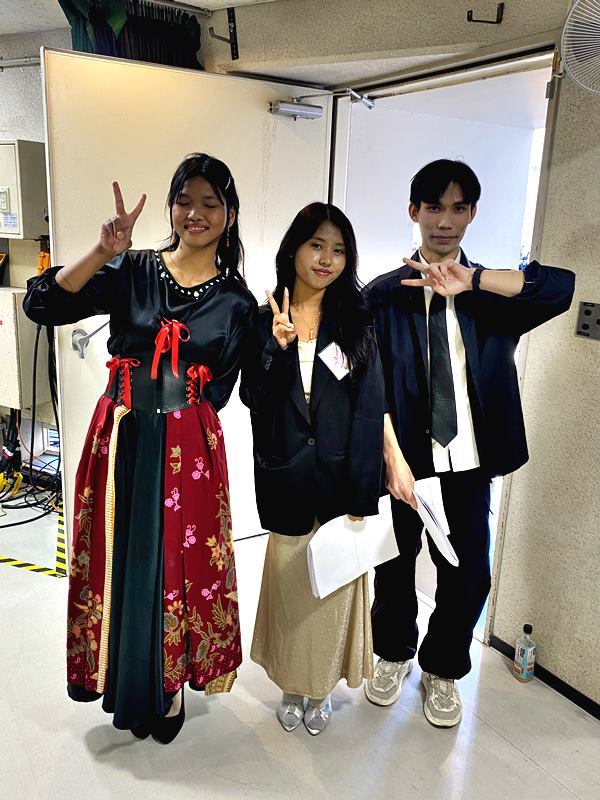
Mr. Kahfi from Indonesia shared that after graduating from a university in Indonesia, he studied at a Japanese language school in Kyoto. Having fallen in love with the city, He decided to join Choei, a local real estate company. He first worked in the hotel division, but now enjoys assisting foreign residents in finding homes in Kyoto.
I also saw several international students and families participating. I felt that this kind of community event, organized by a real estate management company, is significant in today’s world, where neighborhood ties are weakening. It offered a precious sense of connection and peace of mind for everyone involved. (Editor of Globalcommunity Kazumi Miyazaki)
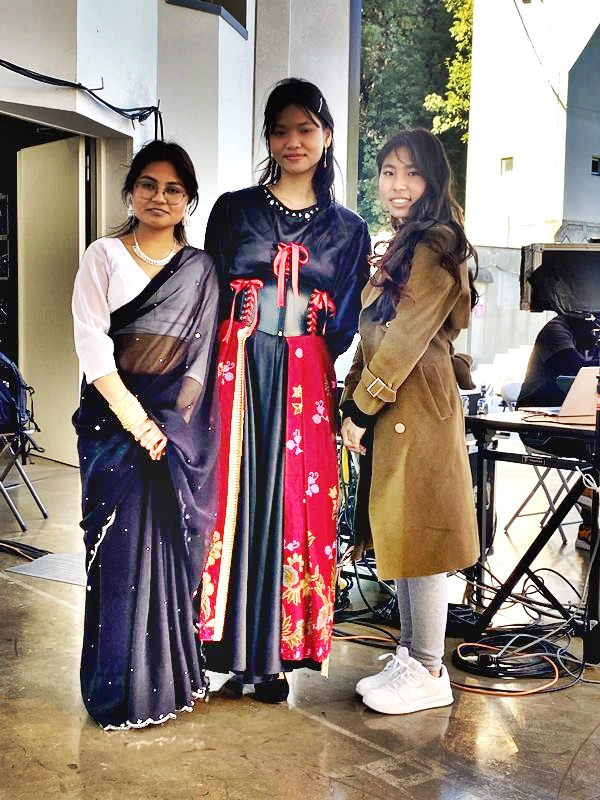
The “International Student Fashion Show” at the 13th International Red-White Singing Festival in Expo 2025 Osaka-Kansai showcased the unique cultural identities of countries from around the world.
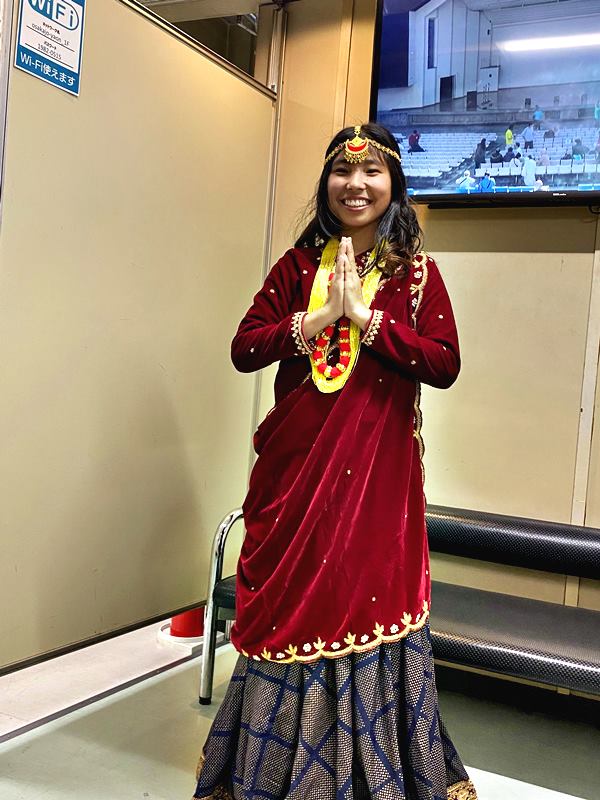
Even Japanese participants who rarely wear a kimono usually feel their posture straighten and their spirits lift when dressed in clothing that represents their nationality. It was the same for the international women living in Japan. They prepared traditional costumes that they don’t often wear in daily life, and with bright smiles, created a truly wonderful show.
Models appeared in traditional attire from India, Sri Lanka, Hawaii, Myanmar, Algeria, China, Vietnam, Egypt, and Ukraine, dazzling the audience under a shower of camera flashes.
A total of 25 musicians from Brazil, South Korea, North Korea, Russia, Ukraine, Israel, and Iran gathered for the “Concert for Peace,” held on October 5 at the Brazil Pavilion of the Osaka-Kansai Expo, operated by the Brazilian Trade and Investment Promotion Agency (ApexBrasil).
Among the participants are young people from countries currently at war and those who have lost family members to conflict. Representing Brazil are members of the Recife-based social project “Orquestra Criança Cidadã” (OCC), founded in 2006 by Judge João José Rocha Targino.
It was a rare and precious experience to witness a concert with such an incredible group of performers. The one-hour program, filled with a rich variety of pieces, passed quickly. The heartfelt performances conveyed each musician’s deep wish for peace and left the audience warmly moved.
The project provides music education and medical support to about 450 disadvantaged youths aged 6 to 21. In 2010, the United Nations recognized the orchestra as a best-practice example for social inclusion, and in 2015, it became part of the UNESCO Associated Schools network. Before performing at the Expo, the musicians gave concerts in South Korea on September 30 and in Hiroshima on October 4, and they are scheduled to perform at the Vatican on October 8.
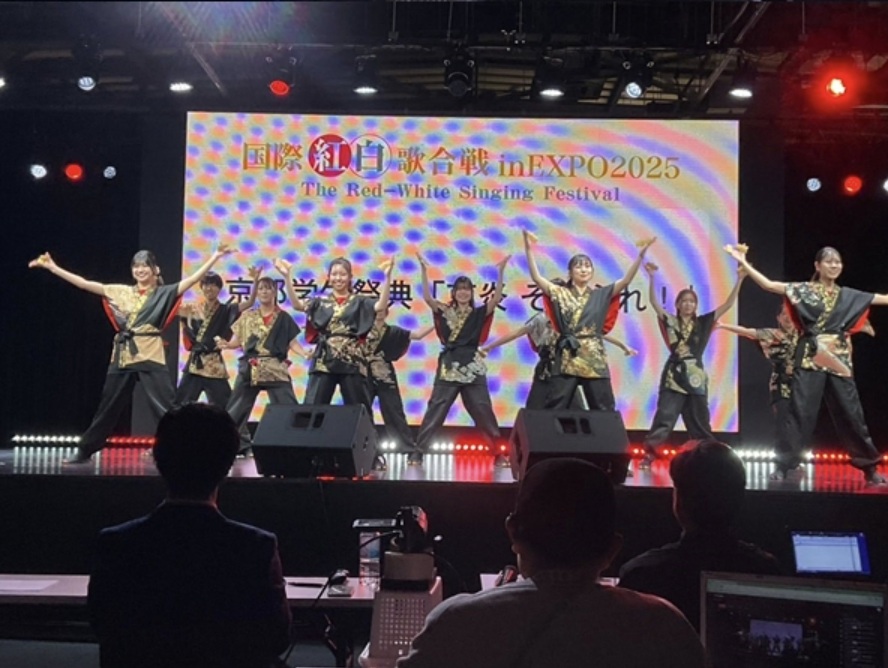
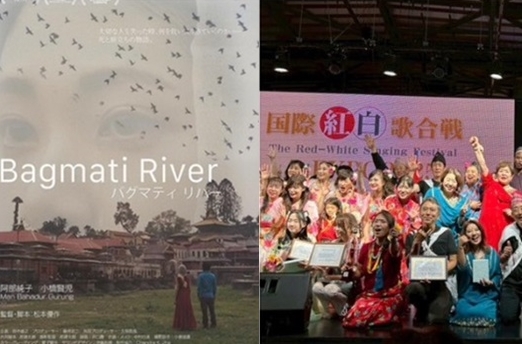
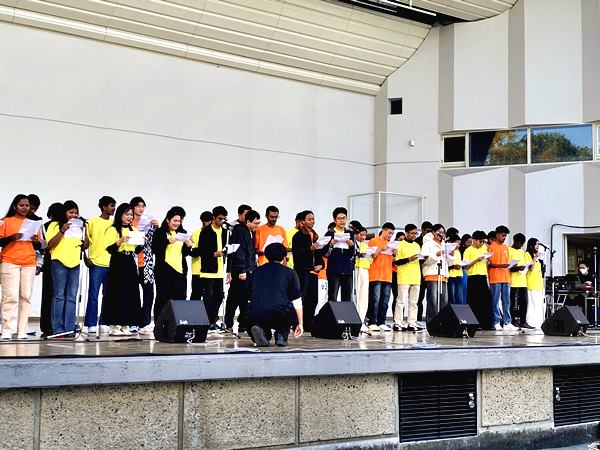
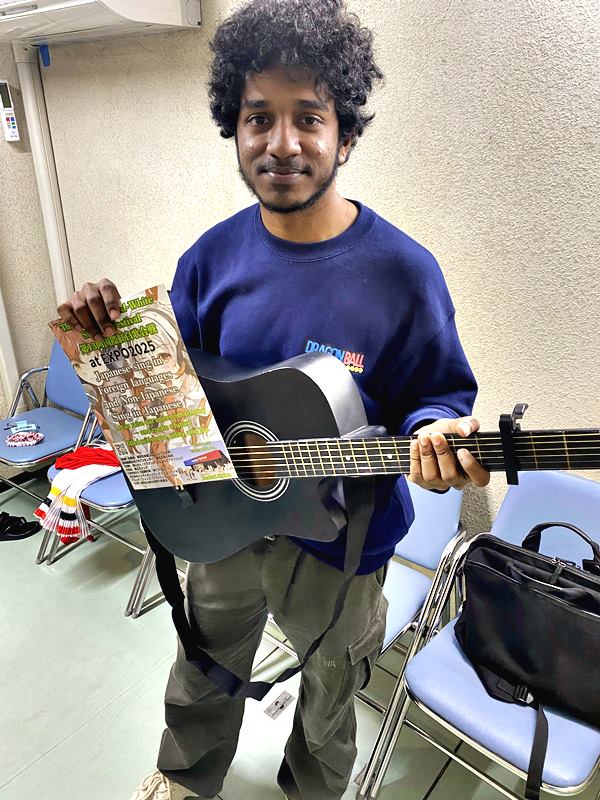
On October 5th, I had the honor of participating as one of the judges for the International Red-White Singing Festival in IKUNO, which was held for the first time under the organization of the local government.
Twelve groups from seven countries, who had passed through four rounds of selection, took part in the event. The program featured the comedy duo Mujinzou as hosts; senior participants amazed the audience with elegant(?) Latin dance steps; the wife of a popular Nepalese restaurant owner from the local shopping street sang “Osaka Lover”; a Vietnamese man who works at a care facility performed “Naniwabushi da yo, Jinsei wa”;
And even Mayor Sujihara sang a celebratory song in English. The whole venue was filled with energy and excitement.
In Osaka’s Ikuno Ward, more than 20% of registered residents are foreign nationals. It truly feels like a community where people recognize and respect each other’s cultures.
I am genuinely delighted that the International Red-White Singing Festival continues to grow as an event where both Japanese residents and those from abroad can mutually acknowledge and celebrate one another.
To everyone who has devoted so much time and effort to making the International Red-White Singing Festival in IKUNO a reality—thank you so much for your hard work.
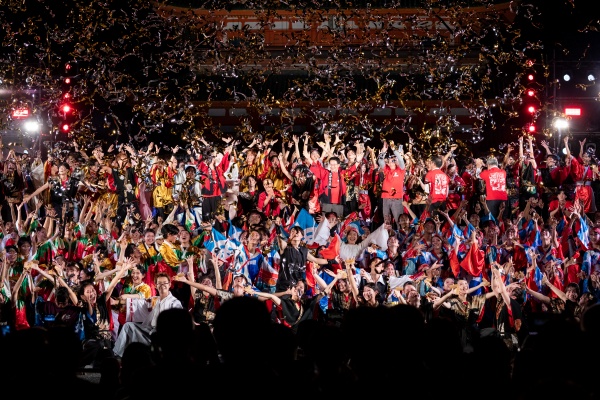
Finale of the International Red-White Singing Festival in IKUNO: “Continuation of This Earth”
(written by the founder of the International Red-White Singing Festival(IRWS) Kazumi Miyazaki)
13º Festival Internacional de Canções Vermelho e Branco: Uma Ponte Musical de Intercâmbio Internacional na Expo 2025 Osaka-Kansai
O Japão enfrenta atualmente o importante desafio de como acolher calorosamente os estrangeiros e aprofundar o intercâmbio mútuo. Nesse contexto, o Festival Internacional de Canções Vermelho e Branco (IRWS) — lançado em 2011 por estrangeiros residentes no Japão em cooperação com japoneses, com o objetivo de compartilhar mensagens de recuperação do Grande Terremoto do Leste do Japão com o mundo — possui grande significado como uma verdadeira plataforma de intercâmbio internacional que transcende fronteiras nacionais e culturais.
O 13º IRWS será realizado em 19 de setembro na Expo Osaka-Kansai.
Este evento incorpora a mensagem central da Expo: “diversidade e coexistência, e co-criação para o futuro”.
O festival é um intercâmbio internacional único por meio da música, onde os participantes estrangeiros cantam em japonês, enquanto os participantes japoneses cantam em línguas estrangeiras. O festival tem recebido apoio de instituições como o Ministério das Relações Exteriores do Japão, o Centro ASEAN-Japão, a Associação de Nikkeis e Japoneses no Exterior e o Consórcio de Universidades de Osaka para Estudantes Internacionais. Neste ano, um representante do Brasil também participará.
O IRWS começou em 2011, inspirado pelo desejo de compartilhar mensagens de recuperação após o Grande Terremoto do Leste do Japão. Desde então, tornou-se um palco importante de intercâmbio cultural genuíno, reunindo pessoas de diferentes nacionalidades e contextos culturais através do poder da música.
Um destaque das edições passadas inclui um grupo vocal masculino asiático cantando em japonês e em inglês a canção “Sekai ni Hitotsu Dake no Hana” como grande final. O estilo singular do evento permite que os artistas entrem em contato com a língua e a voz de outra cultura, criando uma ponte poderosa de compreensão e amizade.
O festival ressoa profundamente com a missão da Expo de criar uma sociedade de convivência multicultural e um futuro em que as nações caminhem juntas de mãos dadas. Realizar este evento dentro do local da Expo o torna uma plataforma ideal para amplificar sua mensagem para o mundo.
No passado, etapas seletivas foram realizadas nas Filipinas, Indonésia, Brasil e outras regiões, enviando representantes ao Japão. As edições internacionais do festival também desempenham um papel em aumentar o número de estudantes de língua japonesa e entusiastas da cultura nipônica. Em 2025, quando se comemora o 130º aniversário das relações diplomáticas entre Japão e Brasil, um representante de São Paulo subirá ao palco.
No dia 19 de setembro, no “Festival Station” da Expo, o evento culminará em um emocionante coro unindo todos os participantes e voluntários.
Convidado especial: Tatsuya Kitagawa, que fez sua primeira participação no Festival Internacional de Canções Vermelho e Branco em 2018 em Bali (Indonésia) como cantor convidado. Desde então, também participou em eventos seletivos em Bandung (link 1) e (link 2). Em 2025, ele fará sua quarta participação, como convidado na Expo Osaka-Kansai.
A atração especial deste ano será Shinji Harada, que, ainda adolescente, tornou-se o primeiro artista a realizar um show solo no Nippon Budokan. Atualmente atuando como Embaixador Cultural da Paz de Hiroshima, sua presença dará ainda mais significado ao evento.
Esperamos por você no 13º Festival Internacional de Canções Vermelho e Branco, onde fronteiras serão transcendidas e esperança e amizade para o futuro serão tecidas através do poder da música.
"A todos que nos apoiaram — voluntários, equipe, artistas e todos os envolvidos — muito obrigado. Somos sinceramente gratos de todo o coração."
Informações do Evento
Data: Sexta-feira, 19 de setembro de 2025
Local: Expo 2025 Osaka-Kansai, “Festival Station”
Programa: 13º Festival Internacional de Canções Vermelho e Branco
Apoio: Ministério das Relações Exteriores do Japão, Centro ASEAN-Japão, Associação de Nikkeis e Japoneses no Exterior, Consórcio de Universidades de Osaka para Estudantes Internacionais
Apresentações: Representantes do Japão e do exterior, com convidado especial Shinji Harada
The 13th International Red-White Singing Festival: A Musical Bridge of International Exchange at Expo 2025 Osaka-Kansai
Japan is currently facing the important challenge of how to warmly welcome foreigners and deepen mutual exchange. In this context, the International Red-White Singing Festival(IRWS)—launched in 2011 by foreigners living in Japan together with Japanese in order to share messages of recovery from the Great East Japan Earthquake with the world—holds great significance as a true platform for international exchange that transcends national and cultural boundaries.
The 13th IRWS will be held on September 19 at the Osaka-Kansai Expo.
This event embodies the Expo’s key message of “diversity and coexistence, and co-creation for the future.”
The festival is a unique international exchange through music where foreign participants sing in Japanese, while Japanese participants sing in foreign languages. It has received support from organizations including the Ministry of Foreign Affairs of Japan, the ASEAN-Japan Centre, the Association of Nikkei and Japanese Abroad, and the Consortium of Universities in Osaka for International Students. This year, a representative from Brazil will also join.
IRWS began in 2011, inspired by the wish to share messages of recovery following the Great East Japan Earthquake. Since then, it has become a significant stage for genuine cross-cultural exchange, bringing together people from different nationalities and cultural backgrounds through the power of song.
A highlight of past performances includes an Asian male vocal group singing “Sekai ni Hitotsu Dake no Hana” in both Japanese and English for the grand finale. The distinctive style of this event allows performers to step into another culture’s language and voice, creating a powerful bridge of understanding and friendship.
The festival resonates deeply with the Expo’s mission to create a society of multicultural coexistence and a future where nations walk forward together hand in hand. Hosting this event inside the Expo venue makes it an ideal platform to amplify its message to the world.
In the past, preliminary contests have been held in the Philippines, Indonesia, Brazil, and other countries and regions, sending representatives to Japan. International editions of the festival overseas also play a role in increasing the number of Japanese-language learners and cultural enthusiasts.
In 2025, marking the 130th anniversary of Japan-Brazil diplomatic relations, a representative from São Paulo will take the stage.
On September 19, at the Expo’s “Festival Station,” the event will culminate in an inspiring chorus uniting all participants and volunteers.
This year’s special guest is Shinji Harada, who, in his teens, became the first artist to hold a solo concert at the Nippon Budokan. Currently serving as Hiroshima Peace Cultural Ambassador, he will bring another layer of meaning to the event.
Please look forward to the 13th International Red-White Singing Festival, where borders are transcended and hope and friendship for the future are woven together through the power of music.
Event Information
Date: Friday, September 19, 2025
Venue: Expo 2025 Osaka-Kansai, “Festival Station”
Program: The 13th International Red-White Singing Festival
Supported by: Ministry of Foreign Affairs of Japan, ASEAN-Japan Centre, Association of Nikkei and Japanese Abroad, Consortium of Universities in Osaka for International Students
Performers: Japanese and overseas representatives, with special guest Shinji Harada
University Students from Kagawa Prefecture Visit the Brazil Pavilion
University students will visit São Paulo this October
University students from Kagawa Prefecture will visit São Paulo this October. The purpose is to gain a deeper understanding of the history of Japanese immigration to Brazil, which marks its 117th anniversary this year. Before their visit in October, Kagawa Prefecture took the students to the Brazil Pavilion at Expo 2025 Osaka-Kansai. Accompanying the group were nine Nikkei Brazilians with roots in Kagawa Prefecture, who were specially invited to Japan by the prefecture from Brazil.
The visit took place on July 23, with over 20 students and others visiting the Brazil Pavilion. Ms. Chihiro Nishikawa was particularly impressed by the five acts of the First Exhibition Hall, especially the crisis of extinction in nature, and commented, “We must have a sense of gratitude towards the world.” During their visit to Brazil in October, they plan to meet with Japanese immigrants.
Ms. Sae Yamashita, a university student, was moved by the word “air” appearing on the screen when entering the First Exhibition Hall. “At first, the atmosphere was bright, but it gradually became darker, and there was a message to protect the Earth,” she said. She is looking forward not only to meeting Nikkei people in São Paulo, but also to learning what Brazilians know about Japan.
Ms. Anne Kumano came to Japan from Campinas, Brazil, to participate in this exchange. Her family is originally from Kagawa Prefecture. She shared her impression that “the Brazil Pavilion dealt with contemporary themes and was impressive.” As this is her first time visiting Japan, she was also looking forward to meeting relatives in Kagawa.
Mr. Pablo Lira, the director of the Brazil Pavilion, explained the Pavilion’s theme and said, “It is very pleasing to see young people from Japan and Brazil learn about each other’s countries and deepen their exchange.” The Brazil Pavilion is operated by ApexBrasil (Brazilian Trade and Investment Promotion Agency). According to Mr. Takuya Matsumoto, a Kagawa Prefecture official, the nine Nikkei Brazilians who participated in this exchange were recommended and selected through the Kagawa Kenjinkai in Brazil. Kagawa Prefecture is widely known not only for its elegant nature but also as the “Udon Prefecture.”
The 26th Grand Kohaku Uta Gassen in São Paulo: The Largest Singing Event in Brazil's Japanese-Brazilian Community
This annual event, known as the "Grand Kohaku Uta Gassen," is a significant musical celebration held in São Paulo, Brazil, which boasts the world's largest Japanese diaspora community outside of Japan.
Now in its 26th year, this contest aims to preserve and promote Japanese songs and culture among younger generations.
The competition features a wide range of participants, aged 5 to over 80, with 64 individuals and groups showcasing their vocal talents this year. Contestants perform various Japanese songs, primarily focusing on popular music and enka, while dressed in elaborate costumes.
Cultural Significance
This event is a crucial platform for maintaining Japanese language skills and cultural awareness among the Japanese-Brazilian community. It provides an opportunity for participants to connect with their heritage through music, fostering a sense of cultural identity and continuity
"Kita no Gyoba."
Yuuji Morita, 12, showcased his talent by performing Saburo Kitajima's hit song "Kita no Gyoba." He expressed his deep affection for Enka music, stating that the emotions conveyed in the genre resonate strongly with him, which is why he enjoys singing it. Yuuji has clear aspirations for the future: he aims to become a professional singer. He dreams of going to Japan and singing alongside his idol, Saburo Kitajima."Kita no Gyoba" is one of Kitajima's signature songs, released in 1977. The lyrics were written by Kaoru Shinjo, and the music was composed by Seiichi Sakurada. This song is widely recognized as a classic enka piece and is cherished within the Japanese-Brazilian community. Yuuji's enthusiasm exemplifies how the Japanese musical culture is being passed down to younger generations in Brazil. His participation highlights the goals of the "Kohaku Uta Gassen" event held in São Paulo, which seeks to preserve and promote the Japanese language and culture among the community.
Tadao Ebihara (75), the organizer of the event,
Tadao Ebihara (75), the organizer of the event, stated: "Among the younger generations of Japanese-Brazilians, fewer people are trying to learn Japanese. We want to continue this event because it provides an opportunity for them to become familiar with Japanese language and culture through songs."Ebihara's comments highlight the challenges faced by the Japanese-Brazilian community in maintaining their cultural heritage. The Grand Kohaku Uta Gassen in São Paulo serves as a vital platform for preserving Japanese language skills and cultural awareness among younger generations. By organizing this singing competition, Ebihara and his team aim to:
Encourage interest in Japanese language learning
Promote Japanese cultural traditions
Create a connection between younger Japanese-Brazilians and their heritage
The event's continuity is seen as crucial for fostering a sense of cultural identity and ensuring that the Japanese language and customs remain relevant within the community. Through music, the organizers hope to inspire a new generation to engage with their Japanese roots, even as traditional language learning methods become less popular. (quoted from NHK website)
The 26th Grand Kohaku Uta Gassen in São Paulo was held at the auditorium of the Brazil-Japan Welfare Association.
The event was organized by Group Friends (NPO Cultural Welfare Association). After the opening remarks by Mr. Ebihara, the representative of the organizing group, congratulatory messages were delivered by several distinguished guests:
The president of the Brazilian Song Federation
The president of the Japan-Brazil Parliamentary League
Additionally, video messages were presented from:
Mr. Miyazaki, representative of the International Kohaku Uta Gassen Executive Committee
Mr. Mizohata, Director General of the Osaka Convention & Tourism Bureau
These messages conveyed their best wishes and support for the event, highlighting its significance in promoting cultural exchange and preserving Japanese heritage within the Brazilian-Japanese community.
Hiroshi Mizohata: After serving as the representative director of Oita Football Club and the Commissioner of the Japan Tourism Agency, he has been the President of the Osaka Convention & Tourism Bureau since 2015.
The event was held for the first time in three years, and it concluded successfully, celebrating the 130th anniversary of diplomatic relations between Japan and Brazil in 2025, highlighting the cultural friendship between the two nations.
The 7th Worldwide Uchinanchu Festival: Okinawa Connected with the World
The Worldwide Uchinanchu Festival held for the first time in six years, took place from October 31 to November 1, 2022. This unique international event, occurring every five years, brings together representatives of 400,000 immigrants with Okinawan roots from around the world. This year's festival was particularly memorable as it coincided with the 50th anniversary of Okinawa's reversion to Japan.
The festival's theme song was "Utarana Odorana" (Let's Sing and Dance).
On the first day, groups of returnees from Brazil, Hawaii, and other countries participated in a parade on Kokusai Street. Many members of the Worldwide Uchinanchu Business Network also joined. It was impressive to see many Okinawans warmly welcoming the participants with phrases like "Welcome back" from the sidelines.
The opening ceremony featured karate demonstrations by world champions and brought together significant figures such as Luis Ishikawa, the Venezuelan ambassador born in Okinawa 50 years ago, David Ige, the Governor of Hawaii, and student ambassadors from various countries, all affirming the importance of this gathering.
The event was further enlivened by showcases of Okinawan cultural exports like karate and the Ryukyu koto, presentations on the Okinawa Peace Prize, and introductions to the staff of the 2023 Basketball World Cup to be held in Okinawa.
Participants from Peru, Guatemala, Bolivia, Taiwan, Hawaii, and the UK shared their thoughts on the importance of this event. Many have been actively promoting Okinawan culture through karate, sanshin, and other traditions in their respective countries.Interviewees expressed joy at returning to Okinawa, describing it as a heart-warming "Chimu dondon" (exciting) experience, like meeting old friends. Thomas Sakuma from Hawaii, who has been attending since the second festival 27 years ago, noted the development of Okinawa and the increasing diversity of returnees with each iteration.
The strength of the Uchinanchu people, who value Okinawa's unique culture and have firmly rooted themselves in countries worldwide, seems to stem from their distinctive openness and sense of solidarity, embodied in the phrase "Ichariba chōdē" (Once we meet, we're brothers and sisters). The next festival is scheduled for 2027, five years from now.
The Worldwide Uchinanchu Festival is a unique and progressive event that brings together people with Okinawan roots from all over the world, much like a large family reunion. Here's an overview of this significant gathering:
Purpose and History
The Worldwide Uchinanchu Festival aims to:
Honor the achievements of Okinawan descendants worldwide
Expand and develop the "Uchina Network" through exchanges with Okinawa residents
Reaffirm participants' roots and identity in their ancestral homeland
Pass on Okinawan culture and heritage to future generations
Background
Okinawa has a rich history of emigration spanning over a century
Approximately 420,000 people of Okinawan descent (known as "Uchinanchu") live abroad
Okinawan immigrants have overcome hardships and maintained strong ties to their homeland
Key Aspects of the Festival
Held every five years in Okinawa
Features cultural workshops, stage shows, and welcome events in various municipalities
Includes exhibitions on Okinawan immigration history and cultural exchange events
Promotes understanding of Okinawa's unique soft power (culture, traditional arts, history, language, customs, and nature)
Objectives
Strengthen the Uchina Network and deepen bonds among Uchinanchu
Encourage younger generations to explore opportunities abroad
Promote understanding of diverse cultures and Okinawa's peace-loving spirit
Showcase Okinawa as an international tourist destination and its local products
Significance
The festival coincides with the 50th anniversary of Okinawa's reversion to Japan, making it a particularly momentous occasion. It serves as a platform for cultural exchange, identity reinforcement, and the continuation of Okinawan traditions worldwide
This year, coinciding with the 50th anniversary of Okinawa's reversion to Japan, the "7th Worldwide Uchinanchu Festival" is generating great excitement. Although not widely known in mainland Japan, this is a very progressive and warm event where people with Okinawan roots living around the world gather like a large family. It's a once-in-five-year opportunity. I will also participate as an observer for three days starting from October 30.