Delivering Care That Meets People Heart to Heart, Beyond Borders and Cultures
- 2026/10/17 00:04

— Nurfandi, an Indonesian-born nurse at Hitohito Care Clinic
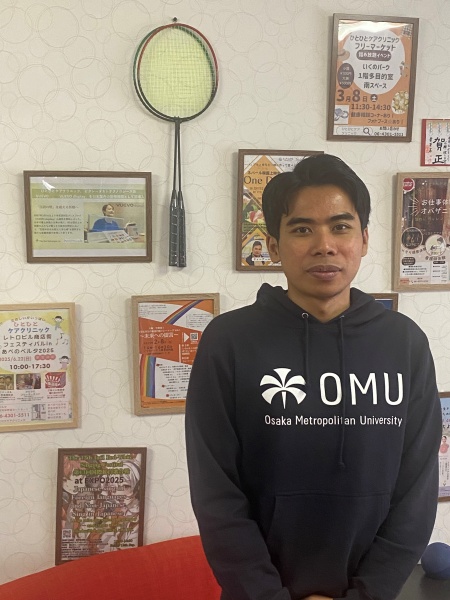
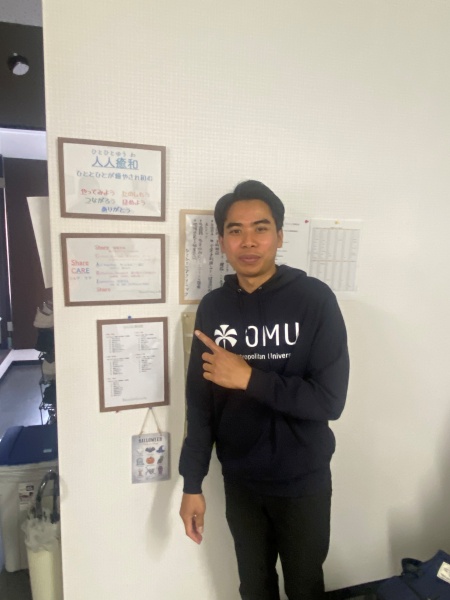
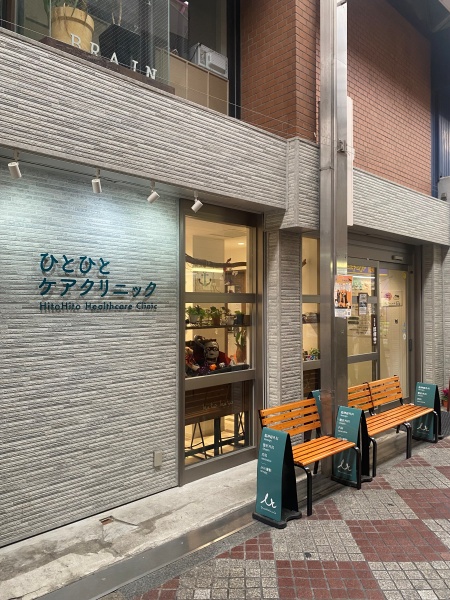
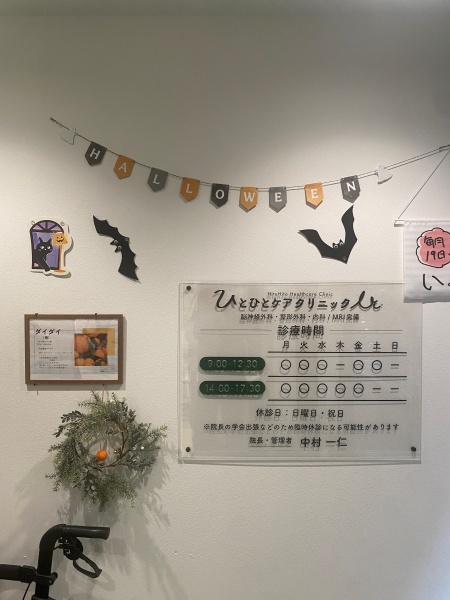
For this interview, we spoke with Nurfandi, a nurse from Indonesia who works at Hitohito Care Clinic in Ikuno Ward, Osaka. The clinic provides care close to the local community, with a focus on treating each patient as the leading actor in their own life.
Why She Came to Japan
— First, could you tell us about what brought you to Japan and your journey so far?
I have loved Japanese anime since I was a child, so I had always dreamed of visiting Japan. In 2016, I came to Japan through the EPA (Economic Partnership Agreement) program.
Back home in Sumatra, my parents strongly opposed my decision, saying that Japan was too far away. However, I was determined not to miss this opportunity.
For six months before coming to Japan and another six months after arriving, I studied Japanese from morning until night. I studied especially hard for kanji, writing each character dozens of times to memorize it. One year later, I passed Japan’s highly competitive national nursing examination, which is the same examination taken by Japanese candidates.
After that, I gained practical experience as a nurse at hospitals in Toyonaka and other areas. In 2022, I entered a graduate school at Osaka Metropolitan University. Through a friend and staff member I met there, I began working at Hitohito Care Clinic in the summer of 2026.
Working at Hitohito Care Clinic
— How do you feel about working at Hitohito Care Clinic?
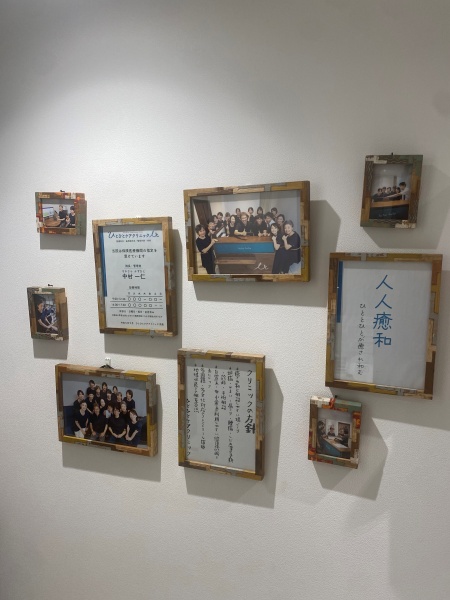
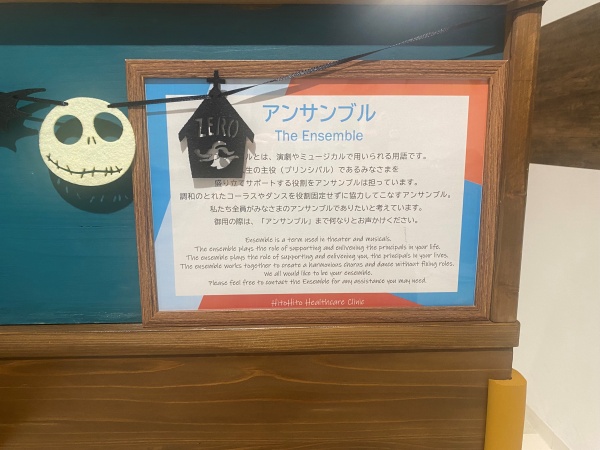
Unlike the large hospital where I previously worked, this clinic is very closely connected to the local community and has a warm atmosphere. For example, during Halloween and Christmas, all the staff dress up in costumes, and we sometimes serve Indonesian food at events to make patients happy.
The distance between medical staff and patients is very close here, so we can care for them almost like friends or family members. It is deeply rewarding to spend time with patients who not only have physical concerns but also simply want someone to listen to them, and to see them leave with a smile.
The clinic provides an environment where people can feel comfortable seeking advice regardless of nationality or age. I myself am enjoying the work and learning a great deal.
Her Experience in Japanese Healthcare
— What have you realized while working as a nurse in Japan?
At our clinic, about 80 percent of our patients are elderly. Sometimes it is difficult to understand what they are saying, but I gradually become more accustomed to it, and when I encounter unfamiliar expressions, I ask senior staff members for help.
Working in Japanese healthcare has made me strongly feel that nursing and medical care cannot be replaced by machines or robots. Medical care is not only about treatment; through human touch and heartfelt interaction, healthcare professionals can ease patients’ anxiety and bring them comfort.
I also feel that there are still few clinics in Japan that can respond to multiple languages and cultures. That is why I strongly believe that places like our clinic, where people can receive care with peace of mind regardless of their nationality, are truly necessary.
Life in Kansai and the Osaka Dialect
— How have you adapted to life in Kansai and to the Osaka dialect?
At first, because I had learned standard Japanese at language school, I was confused when I heard the Osaka dialect. I wondered, “What is this?”
However, as I spoke with colleagues and patients at work, I naturally picked it up. Now, I sometimes find myself speaking in the Kansai dialect without even realizing it, and I actually feel that it is easier to speak in Kansai dialect.
I currently live in Nishinari Ward, Osaka, near Imamiya Station. There is a mosque nearby where people from Indonesia and many other countries gather, forming a community where I feel very safe and at ease.
It has now been ten years since I came to Japan. Today, I feel more comfortable living in Osaka than in my home country, both in terms of my living environment and my relationships with people.
Her Dreams and Current Interests
— Finally, could you tell us about your dreams for the future and what you are most interested in now?
I am currently applying for permanent residency in Japan. Once I obtain it, I will have more freedom in how I work, and I would like to become even more deeply involved in activities at this clinic and in building the local community.
What I am most interested in now is supporting and nurturing the younger generation from my home country. In the future, I strongly hope to help nursing and caregiving professionals from Indonesia who aim to come to Japan, by supporting their Japanese-language learning, employment, and daily life in Japan.
I want to use my own experience to contribute as a bridge connecting Japan and Indonesia.
Nurfandi spoke Japanese with surprising fluency. While caring for his pregnant wife and leading a busy but fulfilling life, he said he hopes to support younger international students aspiring to careers in medicine.